EJAM Steering Committee marks a new stage of cooperation for justice reform in Mongolia
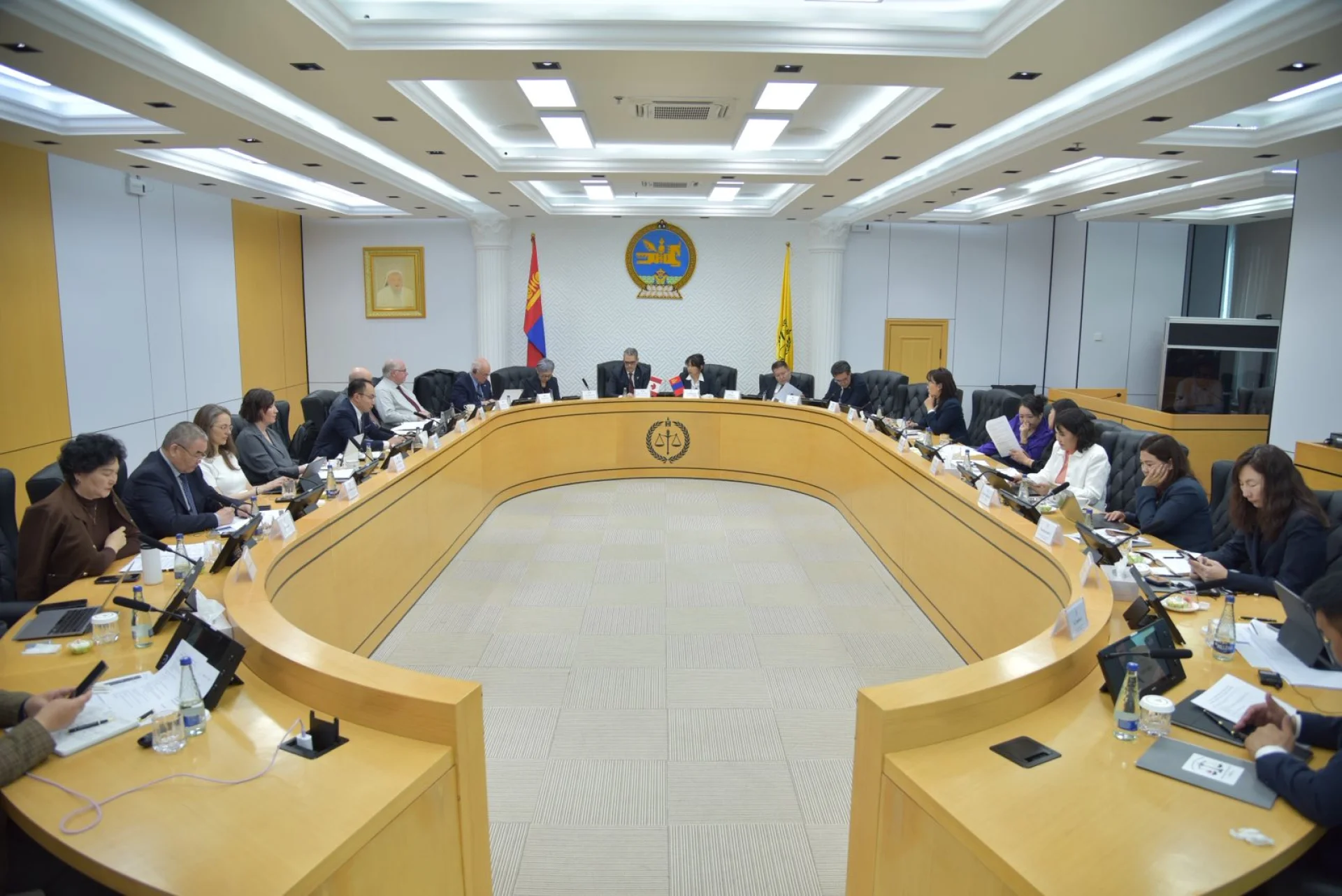
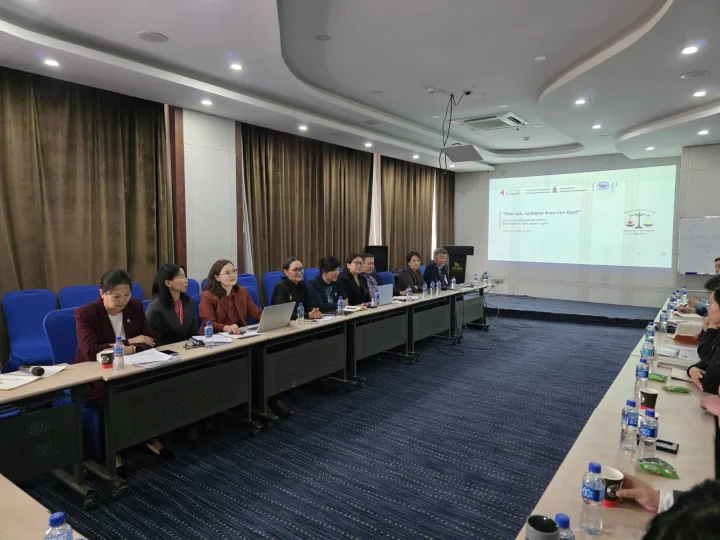
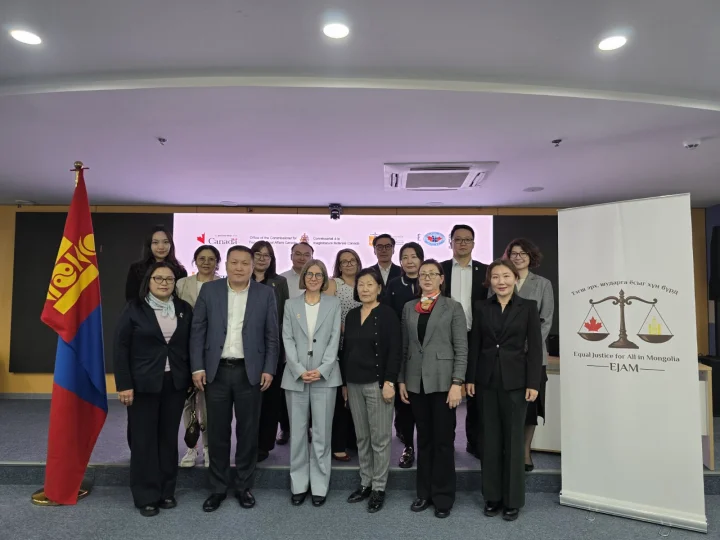
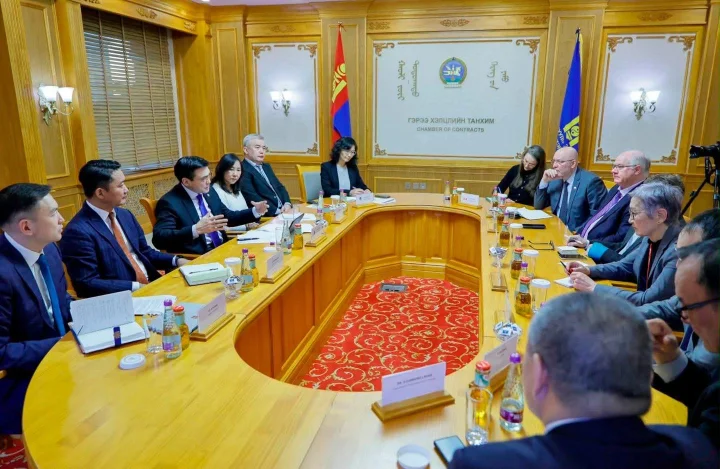
On April 20, 2026, the Equal Justice for All in Mongolia project held its second Project Steering Committee meeting at the Supreme Court of Mongolia. The meeting brought together EJAM’s Mongolian and Canadian partners to review progress since the project’s launch and agree on the direction of work for the year ahead.
The meeting was held in the plenary room of the judges of the Supreme Court, with the permission of the Chief Justice of the Supreme Court. EJAM was honoured to be the first project invited to use this important space. This was more than a ceremonial gesture. It reflected the trust and confidence that have been built over the past three years of cooperation between Mongolian judicial institutions and their Canadian partners, beginning with earlier work under the Technical Assistance Partnership and continuing now through EJAM.
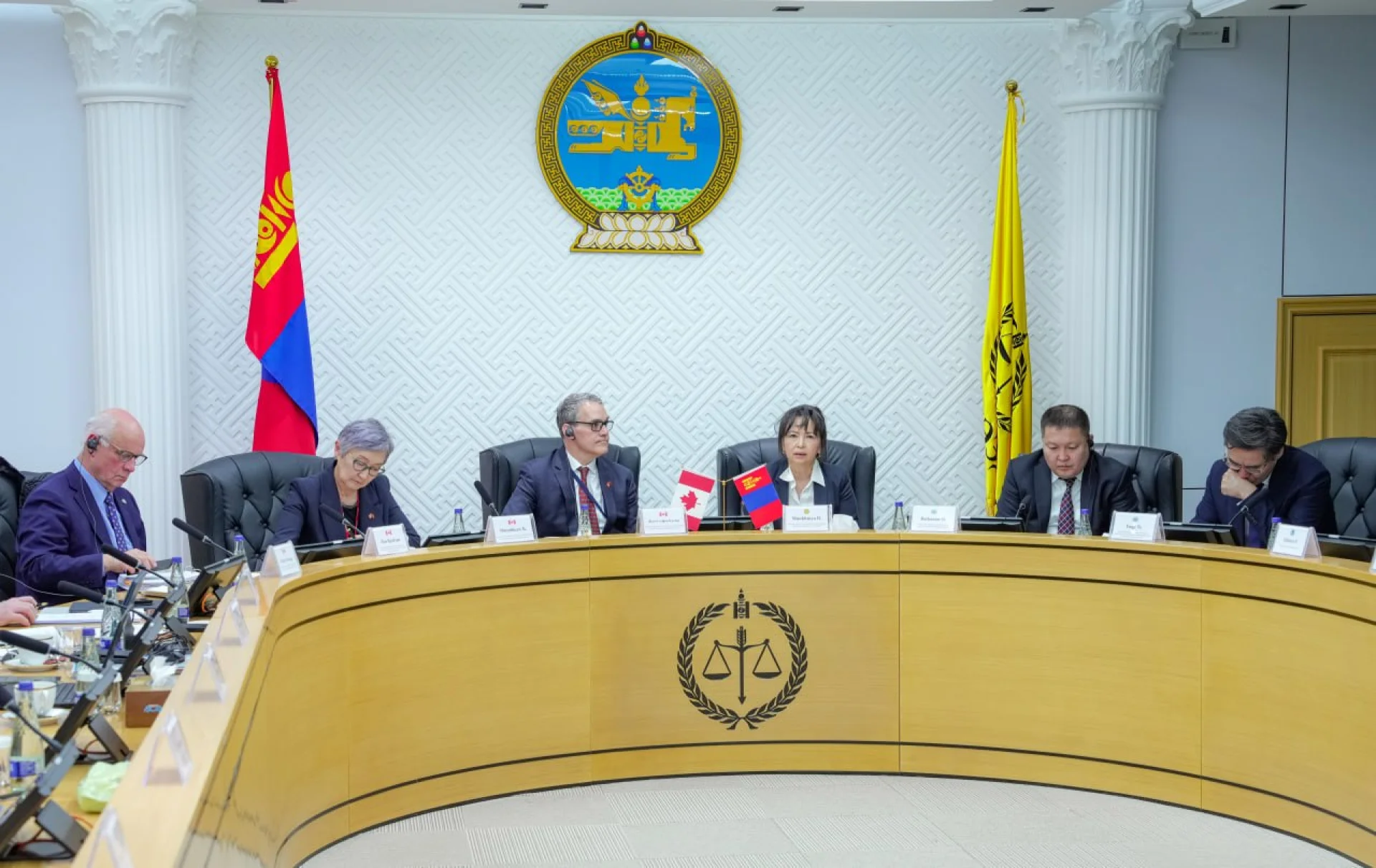
The meeting was co-chaired by Jean-Stéphane Couture, Head of Cooperation at the Embassy of Canada to Mongolia, and D. Munkhtuya, Presiding Justice of the Chamber of Administrative Cases of the Supreme Court. Representatives of all six Mongolian partner institutions took part: the Supreme Court, the Judicial General Council, the Judicial Disciplinary Committee, the Judicial Academy, the Mongolian Judges Association, and Legal Innovation NGO.
The Project Steering Committee is EJAM’s main governance table. Its role is to review progress, provide strategic direction, and make sure the project remains focused on its central purpose: supporting a justice system in Mongolia that is independent, fair, accessible, transparent, gender-responsive, and trusted by the public.
Justice Munkhtuya opened the meeting by reflecting on the six months since EJAM’s launch. She noted that the project has already helped create a new culture of dialogue and coordination among judicial institutions. This is one of EJAM’s most important goals. Many of the challenges facing the justice system, including public confidence, access to justice, ethics, transparency, and judicial independence, cannot be addressed by one institution acting alone. They require institutions to speak to one another, coordinate their efforts, and work toward shared solutions.
Jean-Stéphane Couture reaffirmed Canada’s strong support for EJAM and noted that the project creates a valuable opportunity for high-level exchanges between Mongolia and Canada. He also emphasized the importance of coordination among partners and other development initiatives, so that support to Mongolia’s justice sector is practical, coherent, and results-oriented.
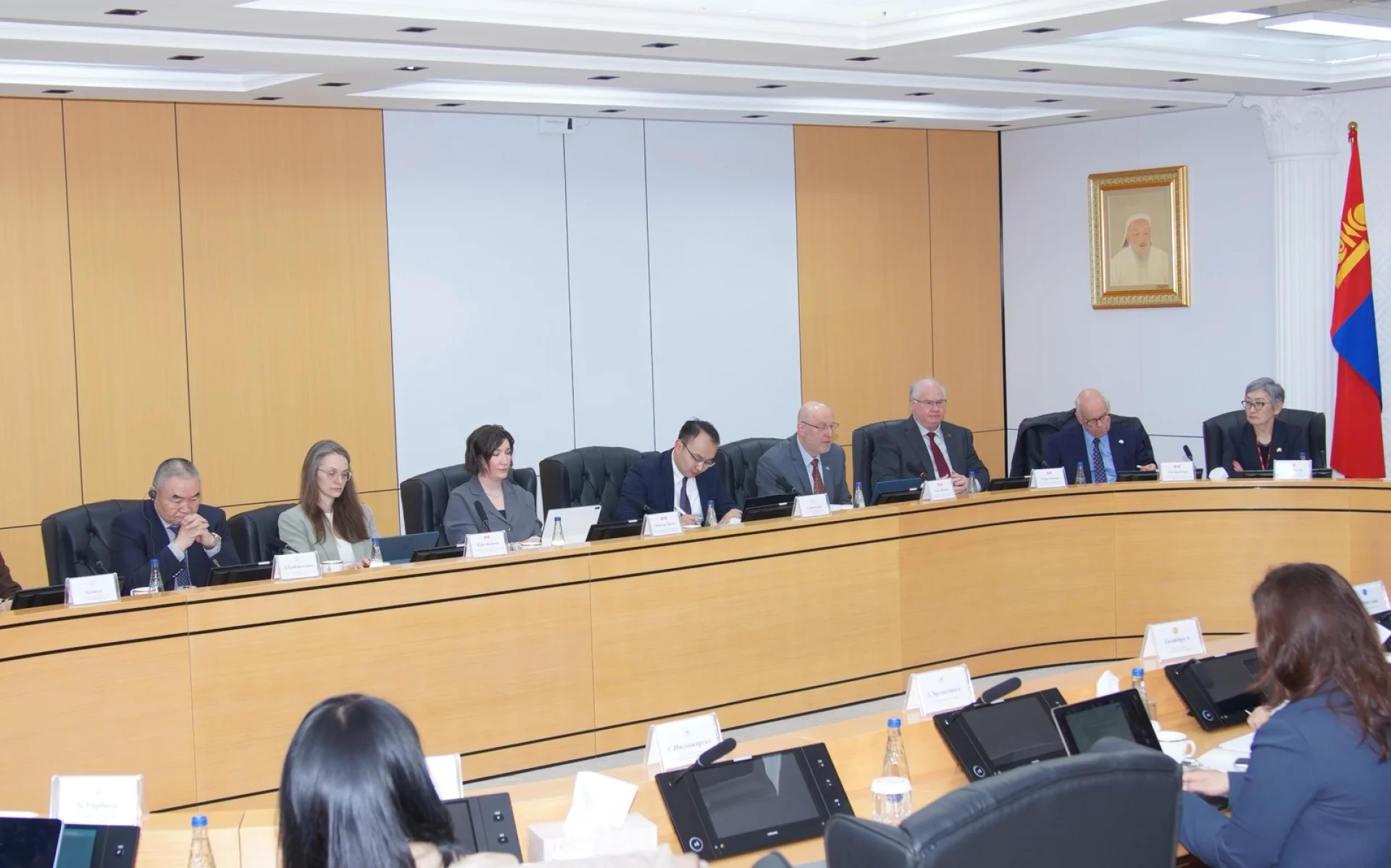
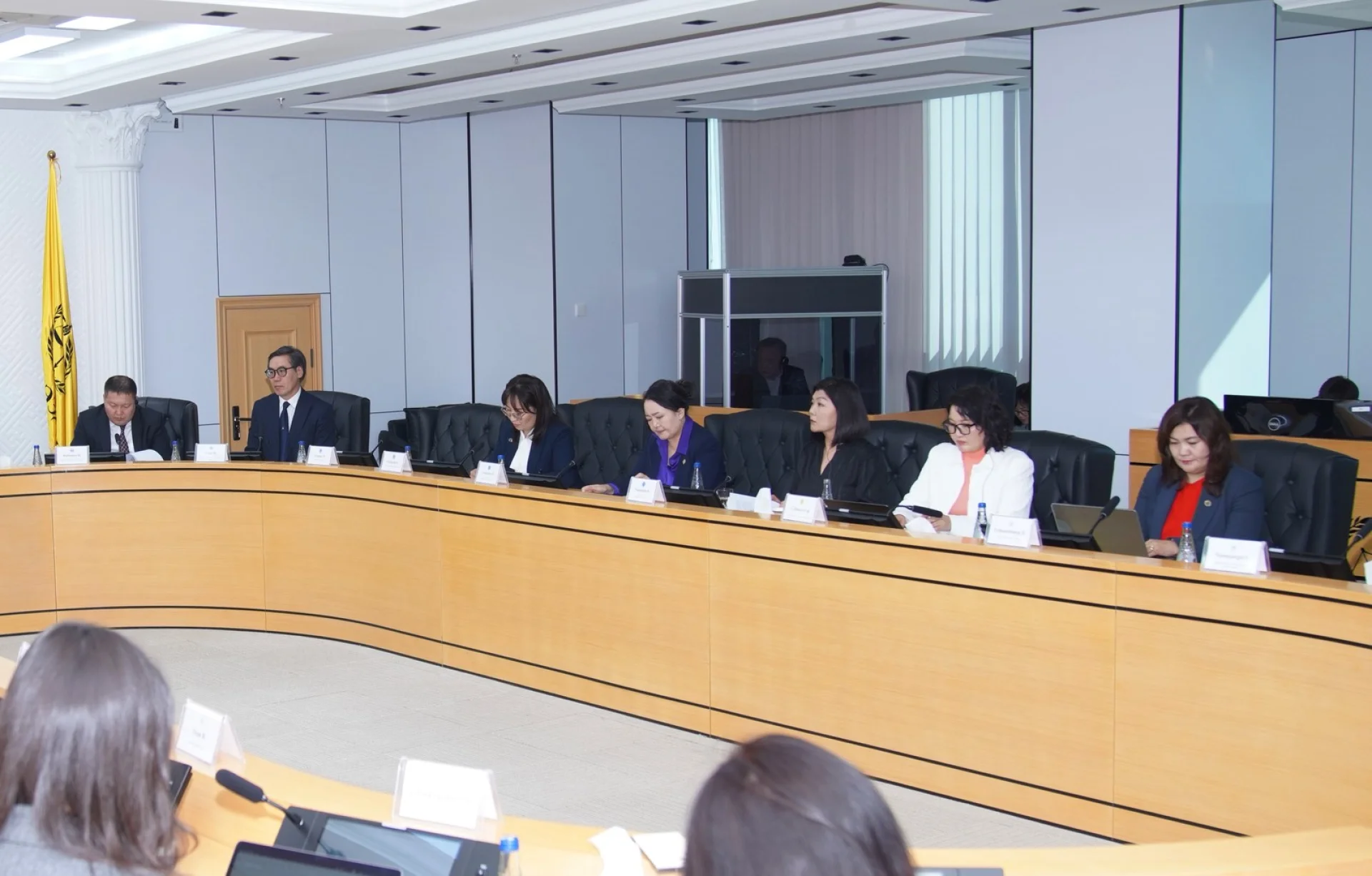
The Committee reviewed what has been achieved during EJAM’s initial implementation period. Although the project is still young, important foundations are already in place. The Project Steering Committee, Project Implementation Committee, and Intra-Judicial Working Group are now functioning. The project website has been launched. Early activities have produced concrete results, including judicial training with the Judicial Academy and the National Judicial Institute of Canada, public communications training for judges, research on access to justice, work on judicial appointments and remuneration, and a major survey on judges’ awareness and perceptions of the Judicial Disciplinary Committee.
For citizens, these activities are not abstract. They are connected to practical questions that affect public trust: whether courts are understandable, whether people in remote areas can access justice, whether court staff communicate respectfully with citizens, whether judges are properly trained and supported, whether discipline and ethics systems are clear and fair, and whether judicial institutions can explain their work openly and responsibly.
A major part of the meeting focused on EJAM’s Year 2 work plan, covering April 2026 to March 2027. Partners discussed the next stage of activities, including stronger public communication by judicial institutions, support for court administrative staff, continued judicial education, public legal education, work on judicial independence and separation of powers, and greater coordination with other justice-sector projects in Mongolia.
The meeting also marked the official launch of the EJAM website, www.ejam.mn, which will serve as the project’s main public information platform in Mongolian and English. The website will share news, activities, resources, and project materials with the public and with partner institutions. Its launch is an important step in making EJAM’s work more visible and accessible.
The Committee also discussed EJAM’s draft Gender Equality, Human Rights and Vulnerable Persons Strategy and draft Communications Plan. These documents will help guide the project so that gender equality, inclusion, accessibility, transparency, and public trust are considered across all activities, rather than treated as separate issues.
The second Project Steering Committee meeting confirmed that EJAM is moving from its start-up phase into a more active stage of implementation. The foundations have been laid, the partners are engaged, and the project now has a clearer roadmap for the year ahead.
As EJAM enters Year 2, its work will continue to focus on practical cooperation among institutions and on reforms that matter to the people of Mongolia: a justice system that is easier to understand, more accessible, more transparent, more accountable, and fully respectful of judicial independence.