EJAM-supported working group brings Mongolia’s judicial institutions together around shared priorities
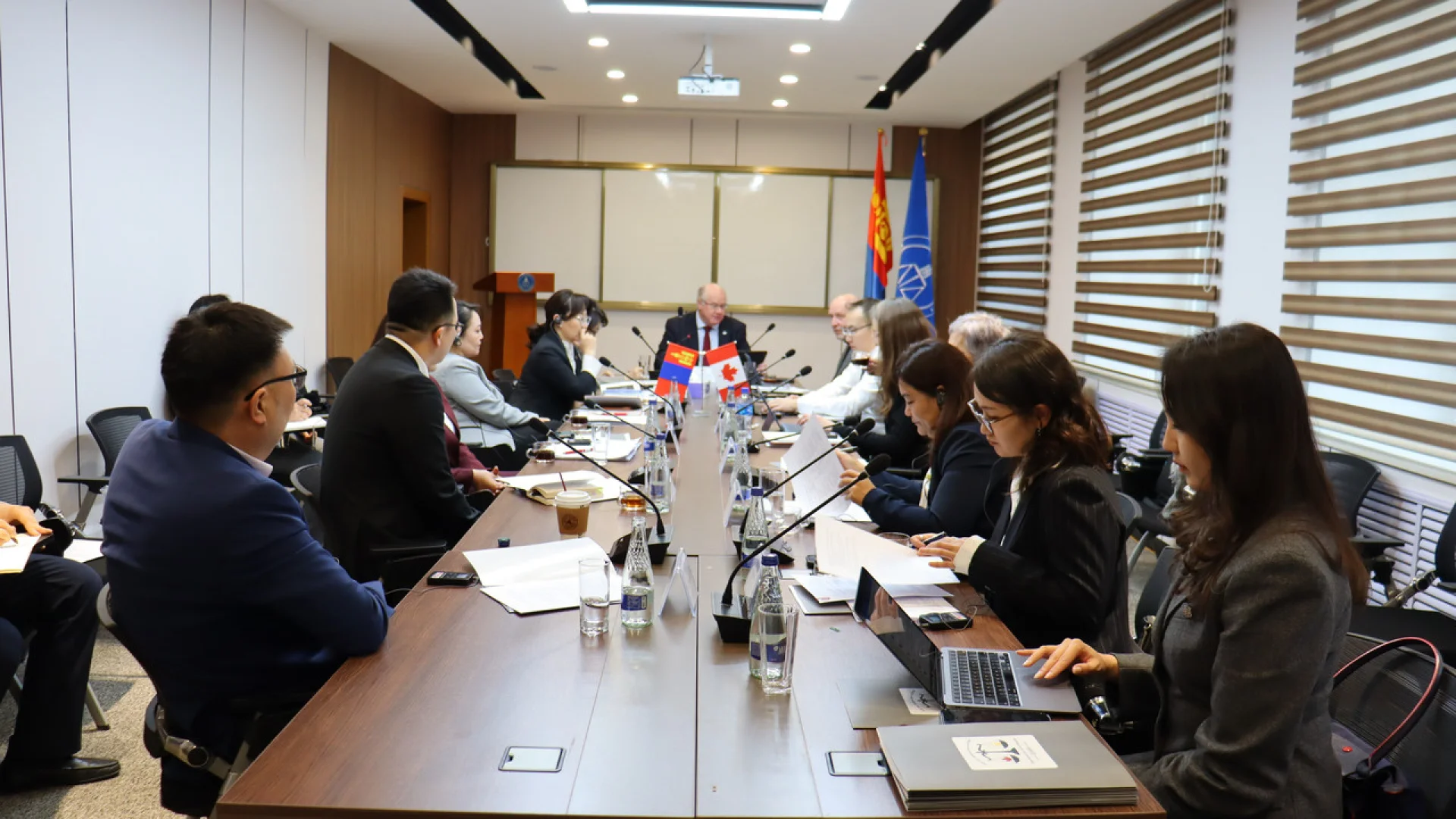
On April 17, 2026, the Equal Justice for All in Mongolia project met with the Intra-Judicial Working Group, a coordination body established under EJAM to bring Mongolia’s main judicial institutions into regular dialogue with one another.
The Working Group includes representatives of the Supreme Court, the Judicial General Council, the Judicial Disciplinary Committee, the Judicial Academy, and the Mongolian Judges Association. Each institution has its own legal mandate and responsibilities. At the same time, all of them share a larger purpose: strengthening the rule of law, protecting judicial independence, improving public confidence, and helping people in Mongolia better understand and trust the justice system.
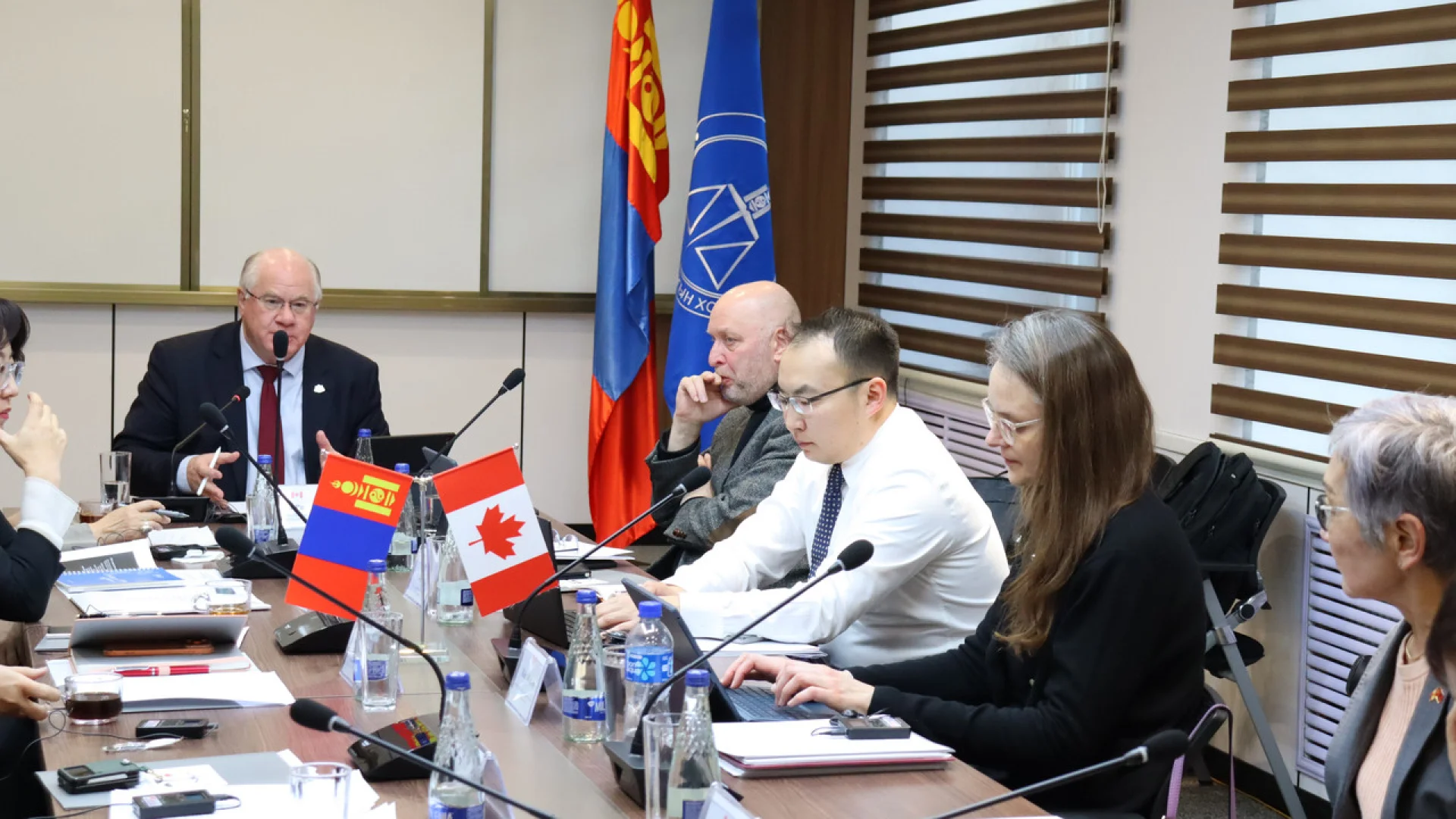
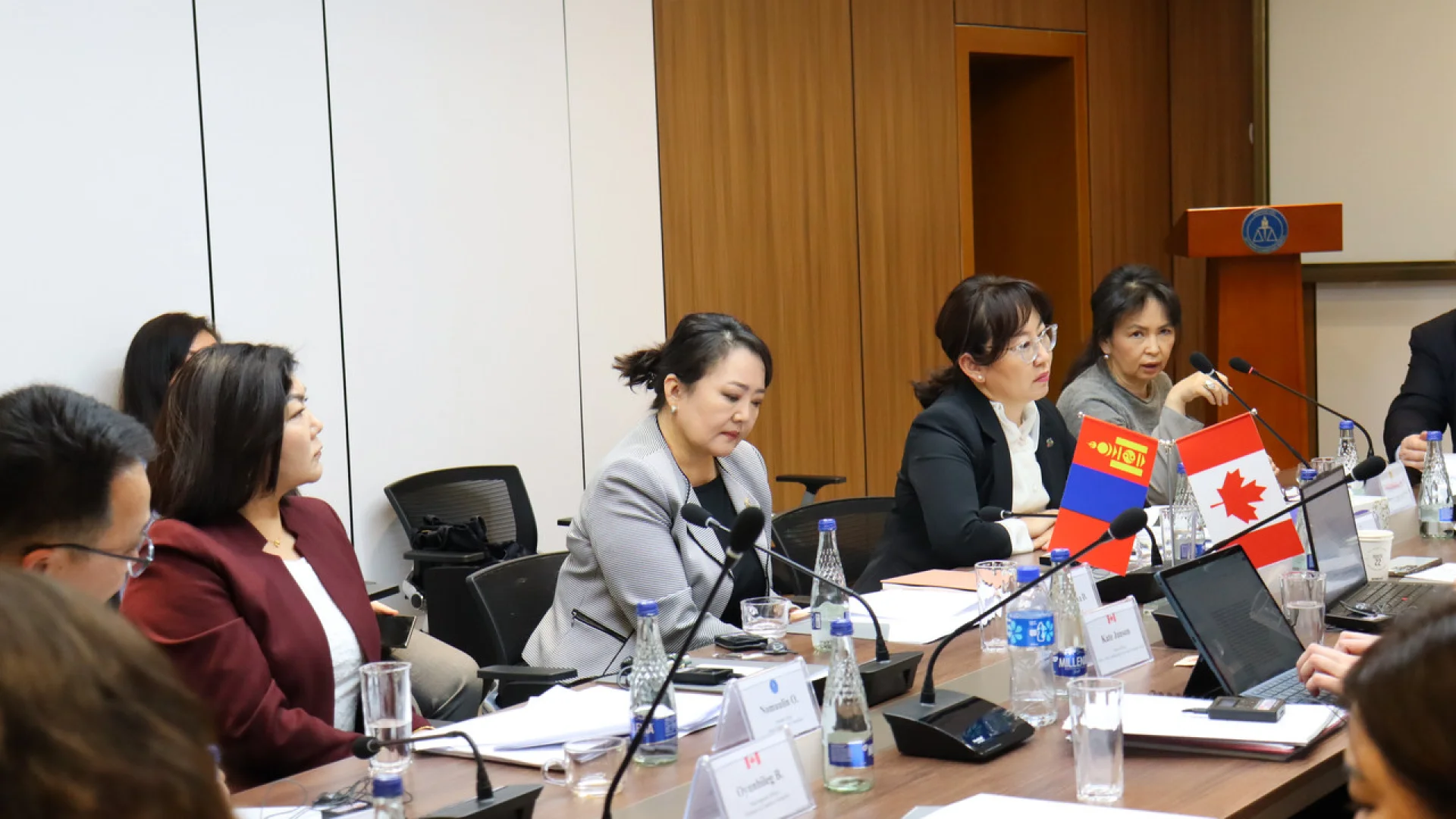
The Intra-Judicial Working Group was created because many of the challenges facing the judiciary cannot be solved by one institution acting alone. Public confidence, court communication, judicial ethics, access to justice, and the protection of judicial independence all require institutions to speak to one another, coordinate their work, and understand where their responsibilities overlap. From the public’s point of view, the justice system is often seen as one whole. If institutions send different messages or respond in different ways, public trust can suffer. If they coordinate better, the system becomes clearer, stronger, and more reliable.
A central theme of the meeting was the need to improve communication with the public. Participants discussed how judicial institutions can explain court processes, decisions, and the role of judges in ways that are more understandable to citizens. They also discussed how institutions should respond when the judiciary is criticized unfairly or when public discussion about court cases becomes confused or misleading. The group agreed that judges themselves should not have to defend their own decisions in the media. Instead, judicial institutions need clear, coordinated ways to provide accurate information to the public while respecting judicial independence.
As a practical next step, participants supported the creation of a communications subcommittee bringing together communication representatives from the judicial institutions. This subcommittee would help develop a common approach to public communication, including how institutions should coordinate in sensitive or high-profile situations. Over time, this work can help ensure that citizens receive clearer, more consistent, and more reliable information about the courts.
The Working Group also agreed on three shared priorities for the coming year: public confidence and communications; safeguards for judicial independence and financial security; and ethics, integrity, and accountability. Together, these priorities reflect an important balance. Courts must be independent so that judges can decide cases fairly, without pressure or interference. At the same time, justice institutions must also be transparent, ethical, and accountable to the public in the way they serve citizens, communicate their work, and uphold public trust. A strong justice system needs both: independence to protect fair decision-making, and accountability to ensure that the system remains worthy of public confidence.
For EJAM, the Intra-Judicial Working Group is more than a project meeting structure. It is intended to become one of the long-term legacies of the project. By helping judicial institutions build the habit of regular dialogue, shared problem-solving, and coordinated action, EJAM aims to support a stronger institutional culture within Mongolia’s judiciary.
If this culture of dialogue continues beyond the life of the project, it can help Mongolia’s judicial institutions work together more effectively, respond more confidently to public concerns, and strengthen the trust that citizens place in the courts.