EJAM delegation discusses stronger dialogue among the three branches of government with Minister of Justice and Home Affairs
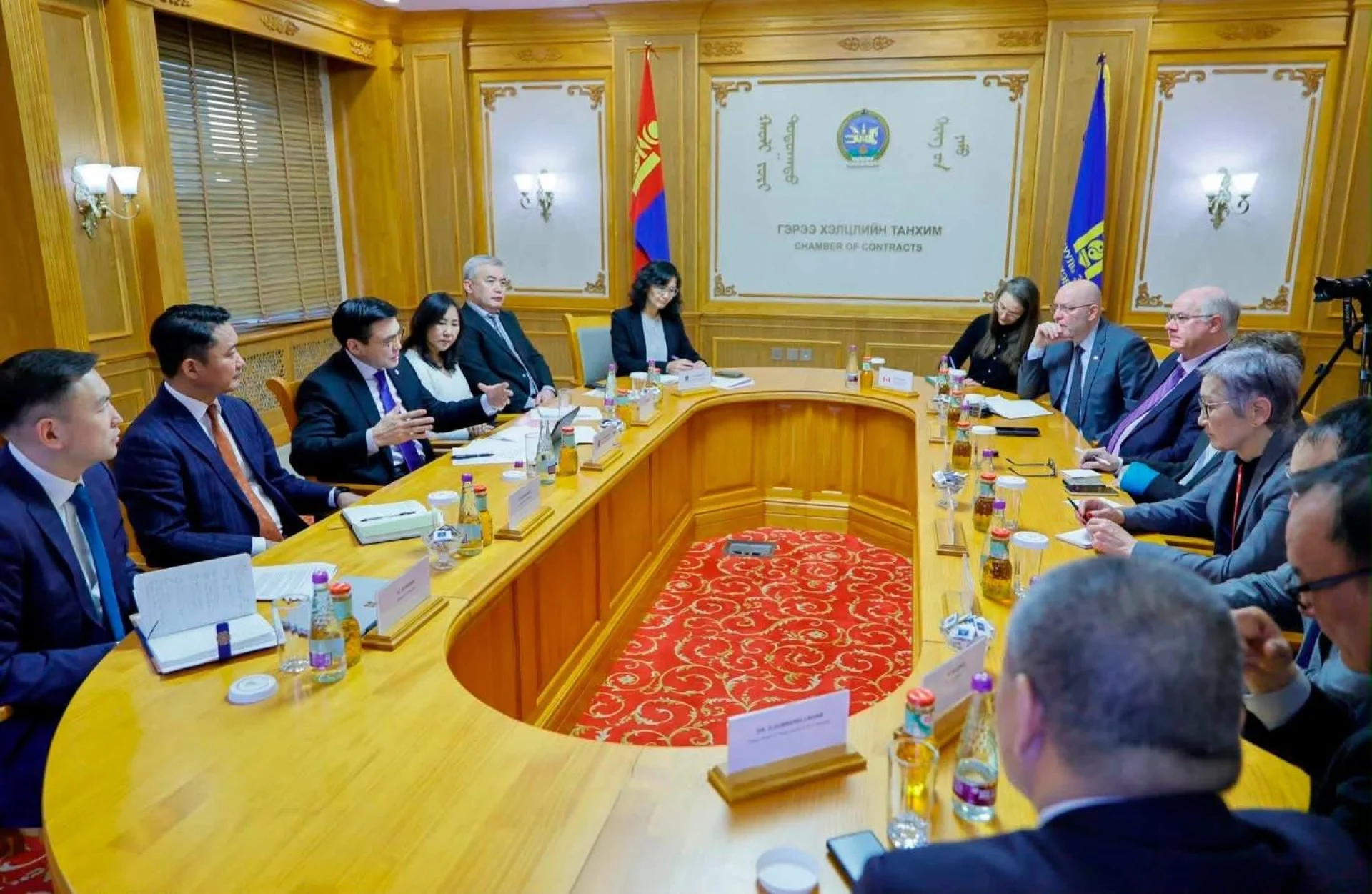
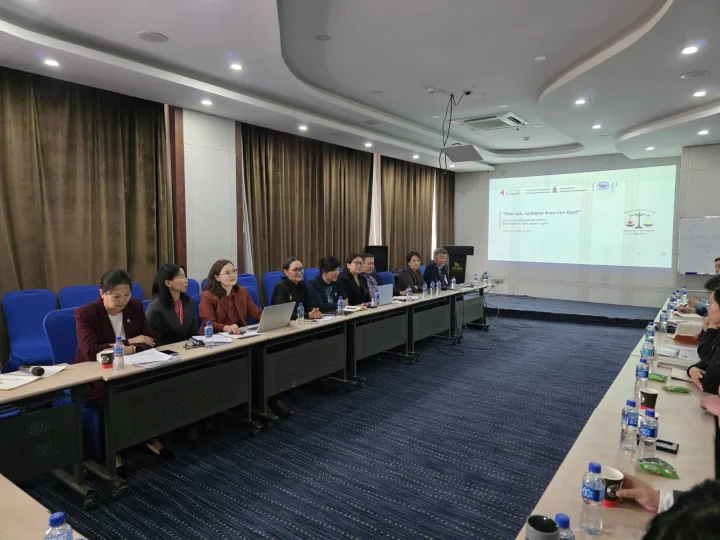
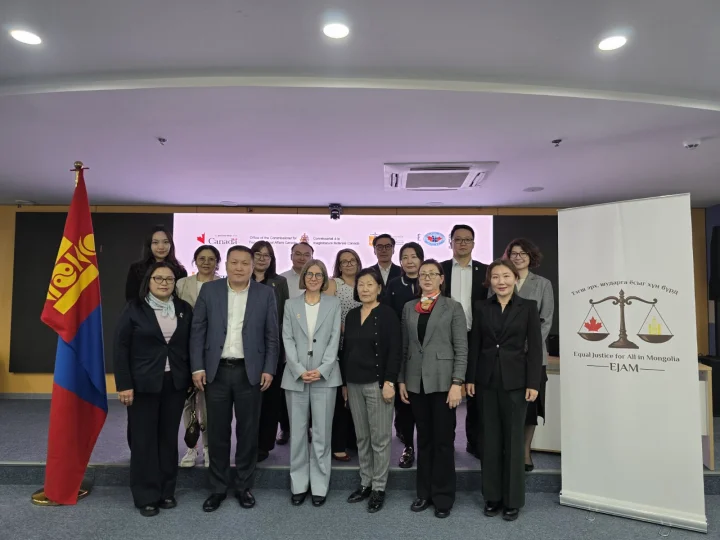
On April 21, 2026, the delegation of the Equal Justice for All in Mongolia project met with Minister of Justice and Home Affairs S. Amarsaikhan. The meeting was also attended by Canada’s Ambassador to Mongolia, Stephen Doust.
The discussion focused on one of EJAM’s most important long-term objectives: supporting the creation of a regular and constructive dialogue among Mongolia’s three branches of government, the judiciary, the executive branch, and the legislature. This idea was strongly welcomed during the meeting and is closely connected to Mongolia’s broader justice reform priorities, including the goal of building a more open, citizen-centred, and human-centred legal environment.
For the public, dialogue among the three branches of government may sound technical, but it has very practical importance. Courts cannot serve people effectively if they are under-resourced, misunderstood, or treated as separate from the broader work of government. They need clear laws, adequate budgets, modern systems, trained personnel, and public communication that helps citizens understand what courts do and why judicial independence matters. At the same time, judges must remain fully independent when deciding cases, free from political pressure, personal influence, or interference from any other branch.
This is the balance EJAM seeks to support. Judicial independence does not mean isolation. It means that judges decide cases fairly and according to law. But the institutions responsible for legislation, budgets, court administration, public services, and justice reform still need a structured way to speak to one another about system-wide issues. Without that dialogue, misunderstandings can grow, reforms can move in different directions, and public confidence can weaken.
A permanent or regular dialogue among the three branches would create a space to discuss issues that affect the justice system as a whole, such as court resources, access to justice, public understanding of the courts, digital transformation, the protection of judicial independence, and the practical impact of legal reforms. It would not be a forum to discuss individual cases or influence judicial decisions. Rather, it would help each branch better understand the role of the others and work together on the conditions needed for a fair, effective, and trusted justice system.
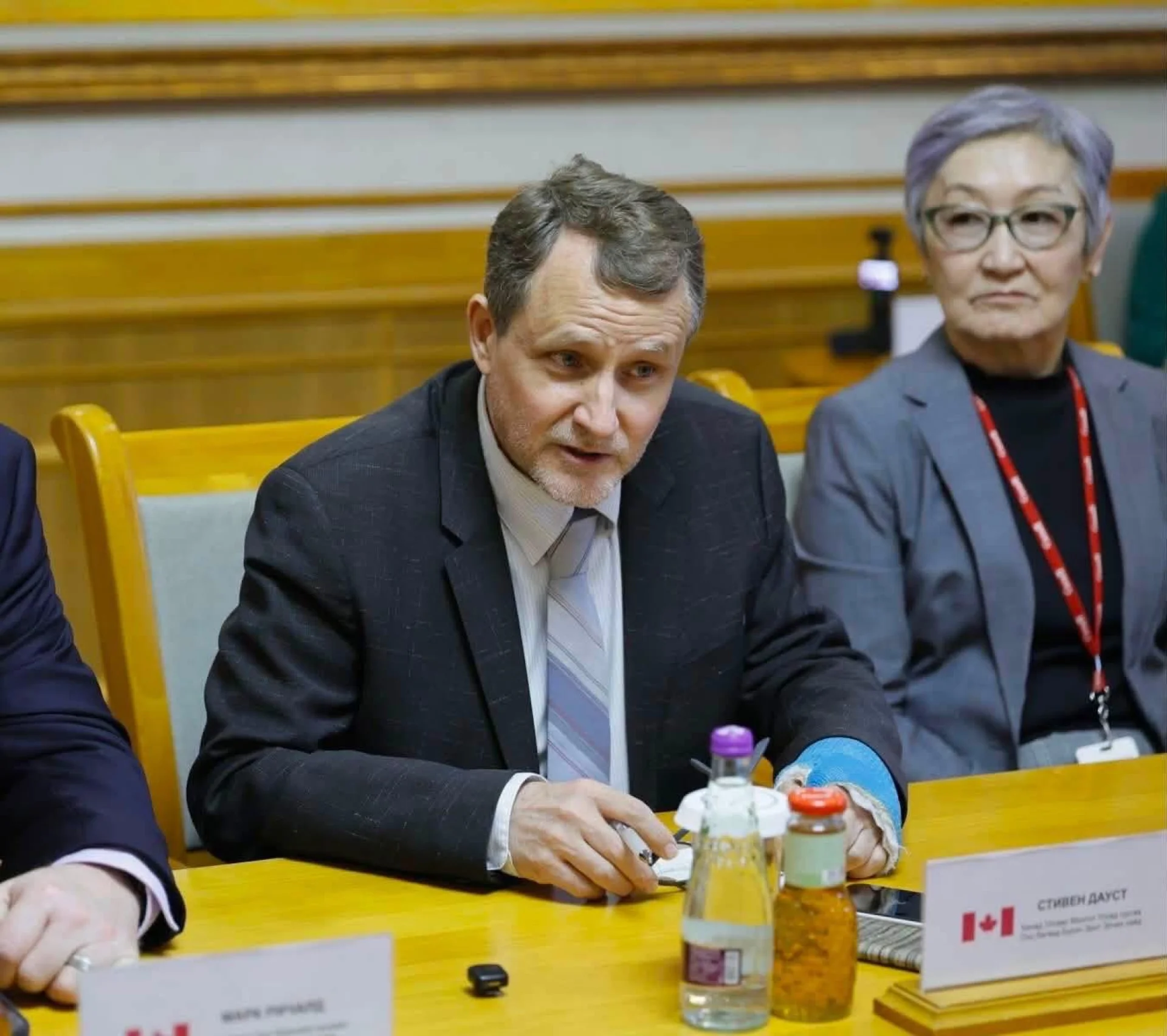
Ambassador Doust also emphasized that the benefits of a stronger justice system extend beyond the courts themselves. A justice system that is independent, transparent, predictable, and trusted creates a more stable environment for trade and investment. Businesses, including foreign investors, are more likely to invest where rules are clear, contracts can be enforced fairly, and disputes can be resolved through credible institutions. This is especially important at a time when the Government of Canada is working to diversify its trade relationships around the world and deepen economic partnerships with countries such as Mongolia. In that sense, strengthening the justice system also supports Mongolia’s broader economic development and its ability to attract responsible, long-term investment.
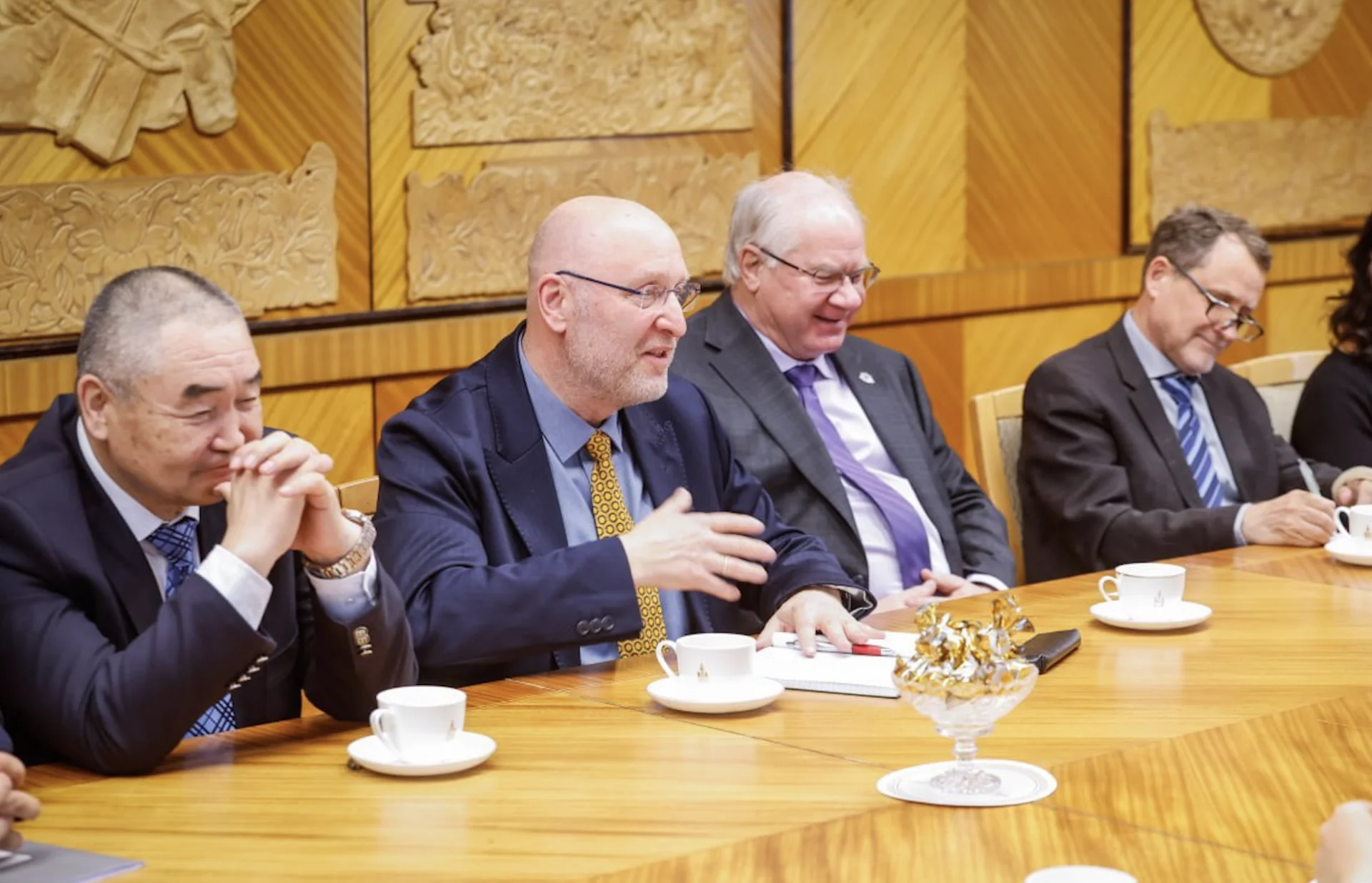
During the meeting, the Canadian delegation explained that EJAM is already helping Mongolia’s judicial institutions build stronger habits of coordination through the Intra-Judicial Working Group. That body brings together the main judicial institutions to discuss shared priorities and coordinate on issues that no single institution can solve alone. The next step is to support broader dialogue with the executive and legislative branches. A study tour to Canada and a future high-level Rule of Law conference in Mongolia are expected to help launch this wider conversation.
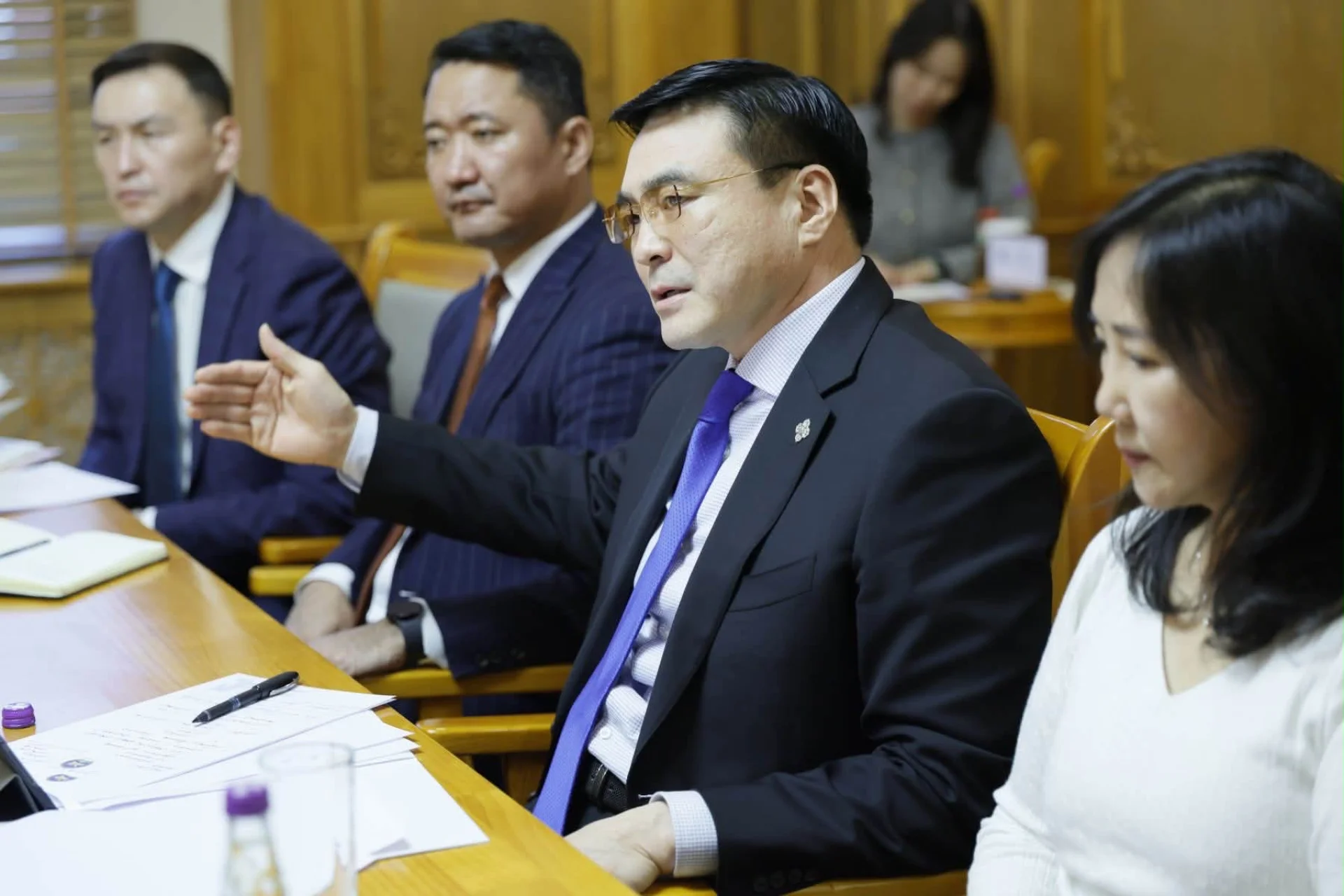
Minister Amarsaikhan welcomed the delegation and expressed support for EJAM’s objectives. He emphasized the importance of open, transparent, accessible, and citizen-centred justice, as well as the need for digital transformation and stronger coordination across institutions. The discussion confirmed that strengthening the justice system is not the responsibility of one institution alone. It requires shared commitment across government, while fully respecting the independence of the courts.
Through EJAM, Canada and Mongolia will continue working together to support a justice system that is independent, fair, transparent, and trusted by the people it serves. The proposed three-branch dialogue is intended to become one of the lasting contributions of the project: a practical mechanism for cooperation, mutual understanding, and shared responsibility for the rule of law.