EJAM partners review first-year progress and shape the next year of practical cooperation
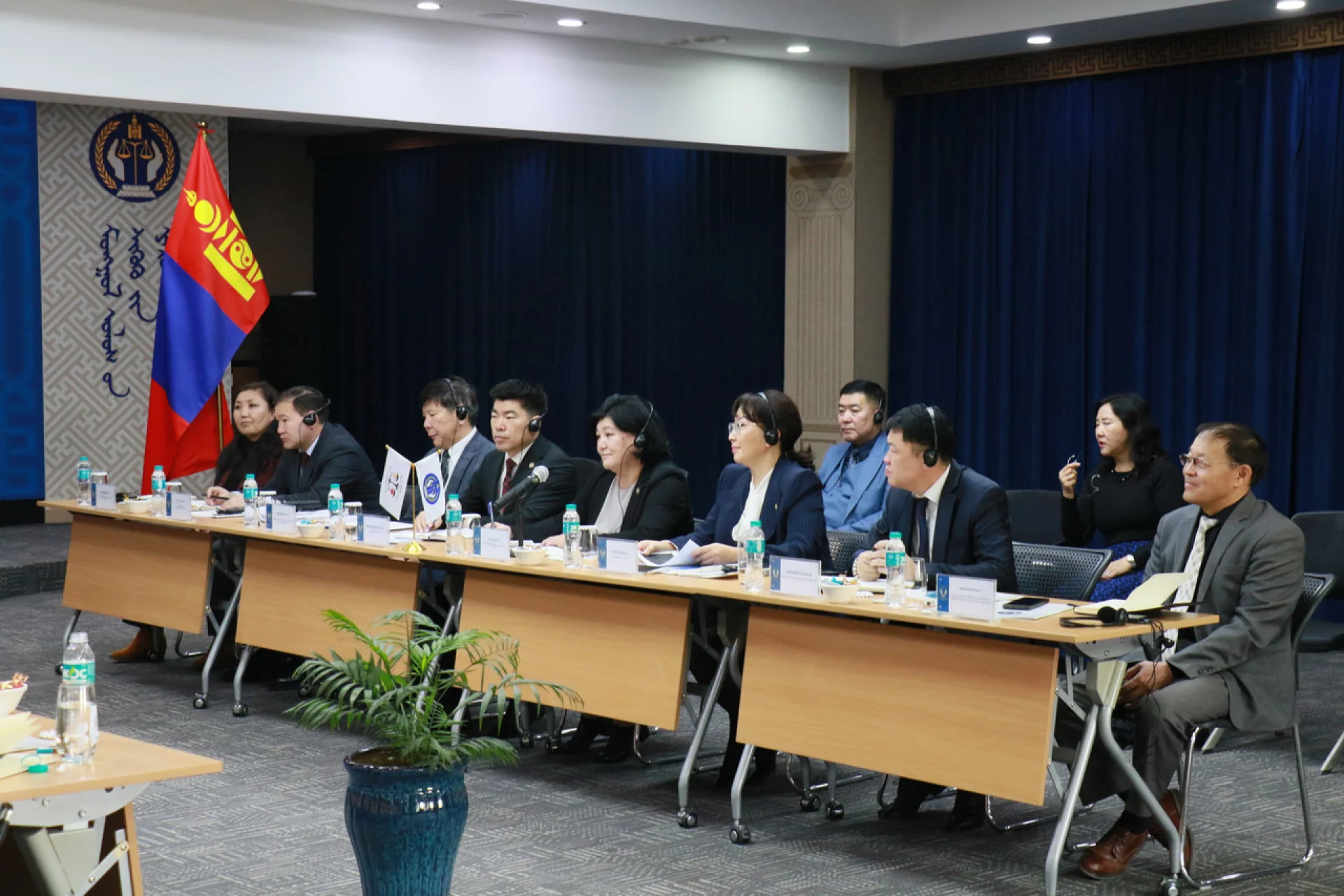
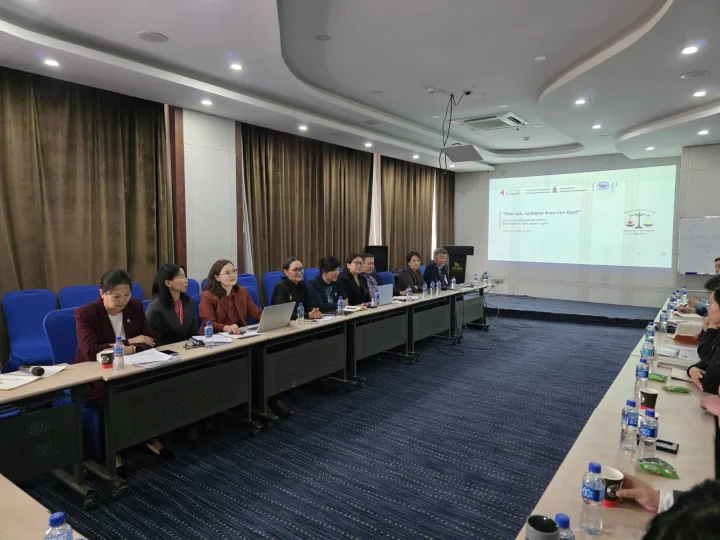
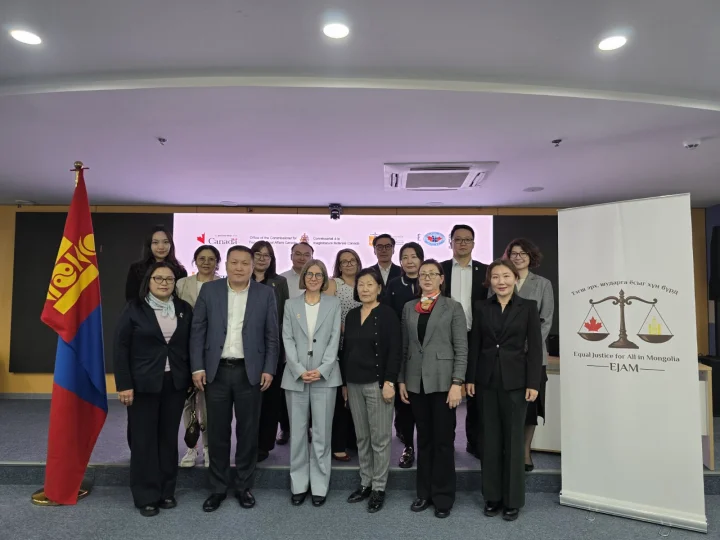
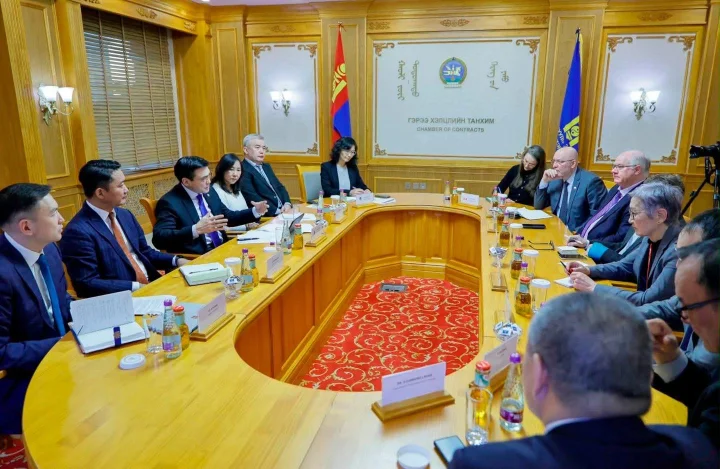
During the week of April 14 to 17, 2026, the Canadian delegation of the Equal Justice for All in Mongolia project met individually with EJAM’s six Mongolian partner institutions: the Supreme Court, the Judicial General Council, the Judicial Disciplinary Committee, the Judicial Academy, the Mongolian Judges Association, and Legal Innovation NGO.
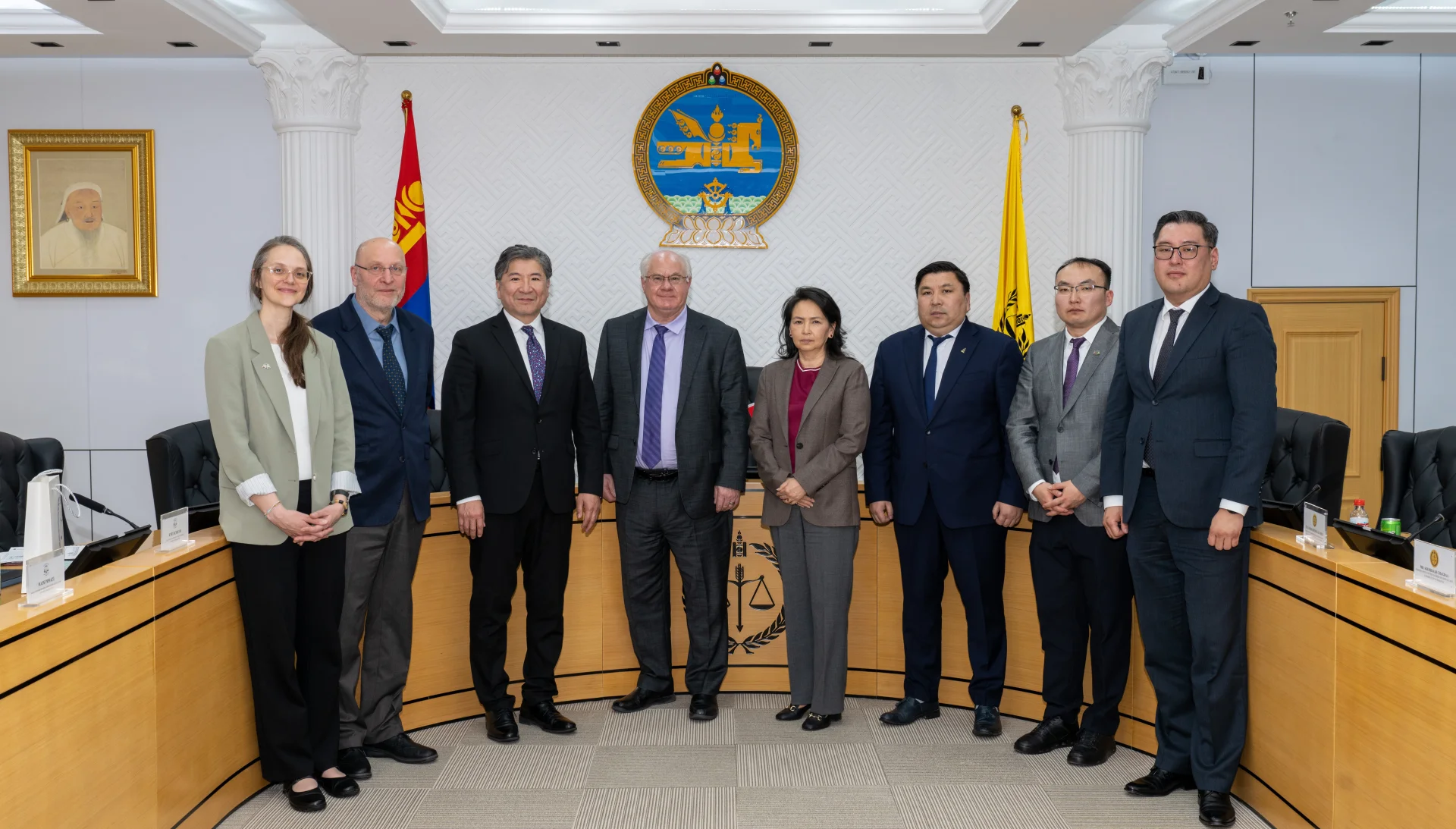
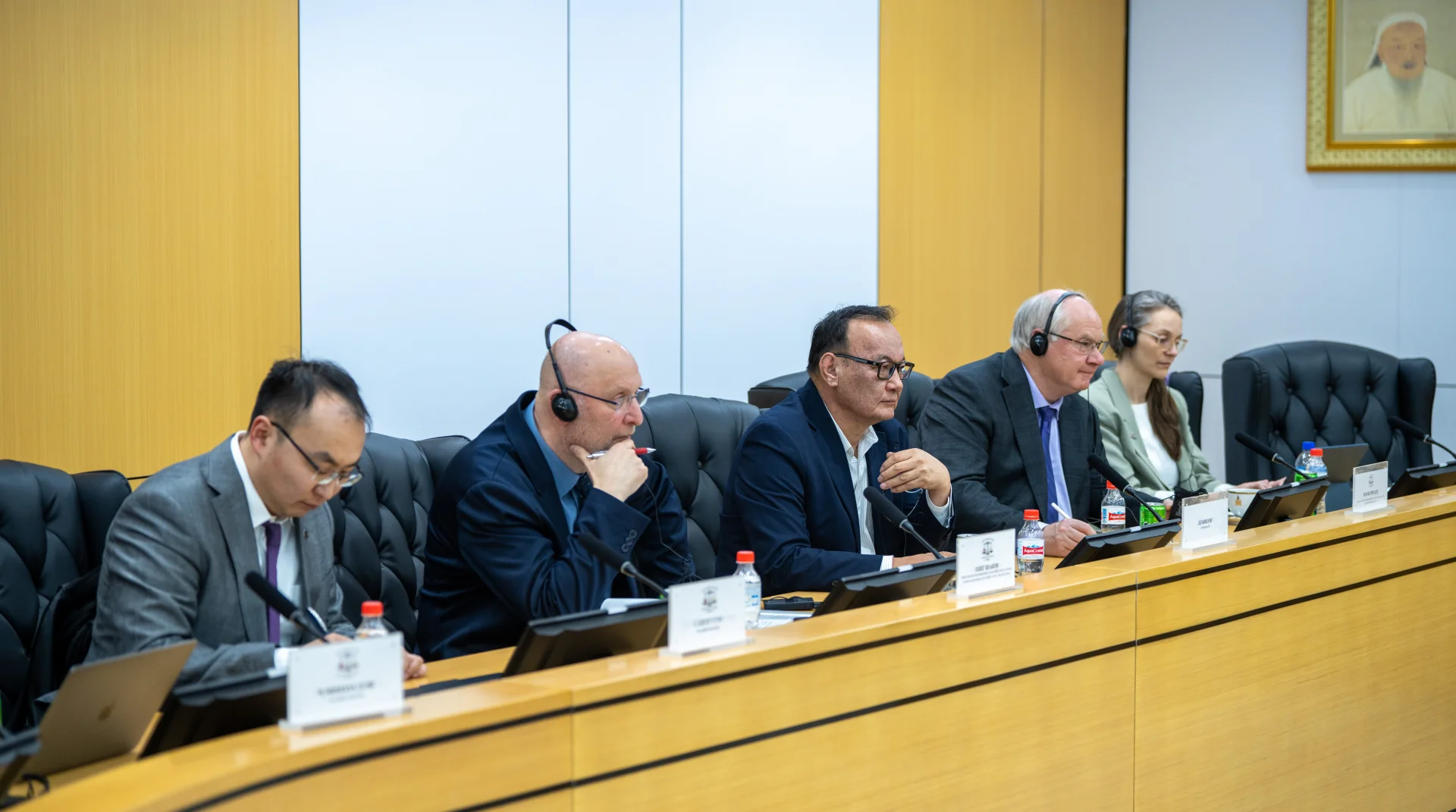
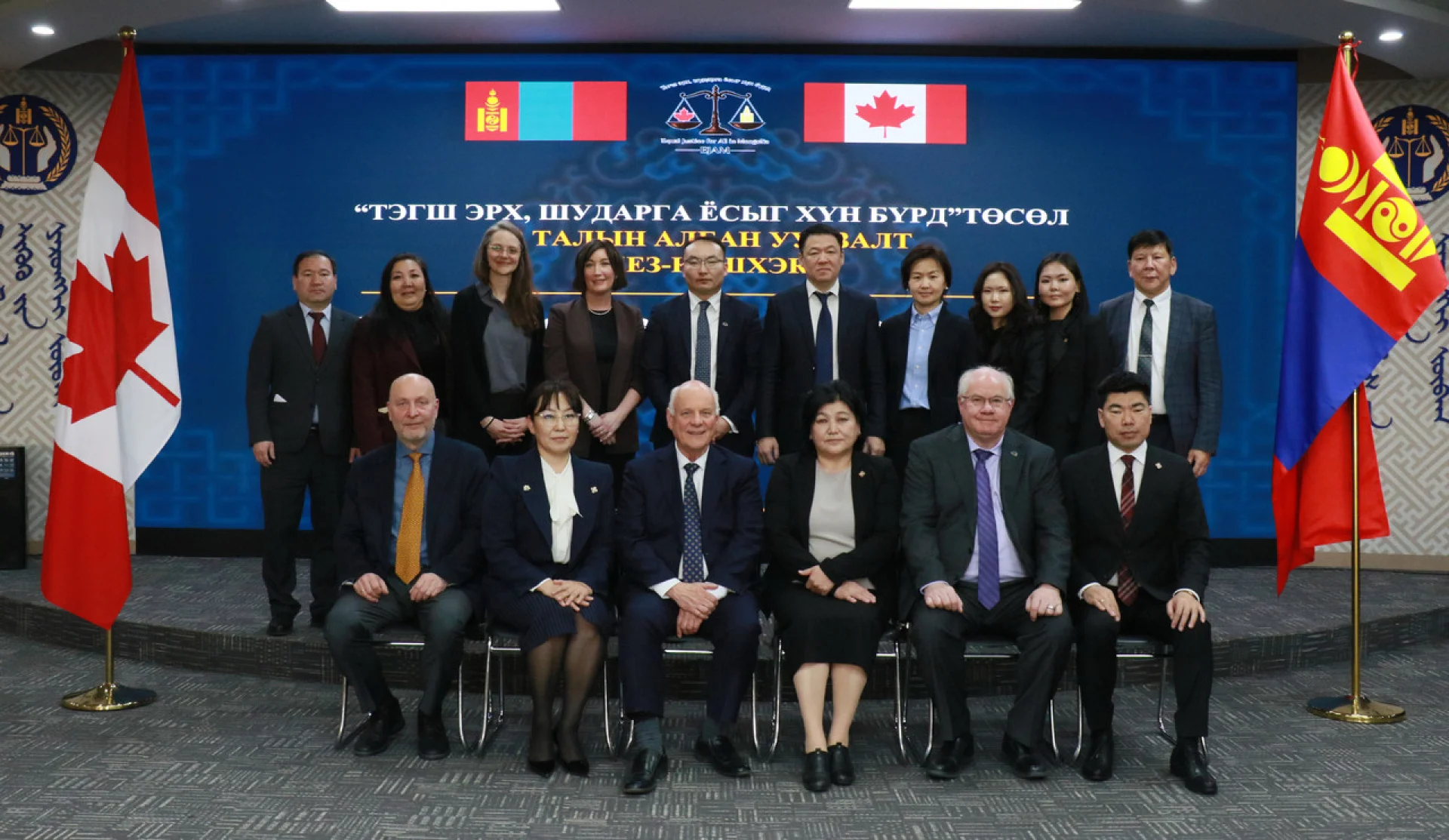
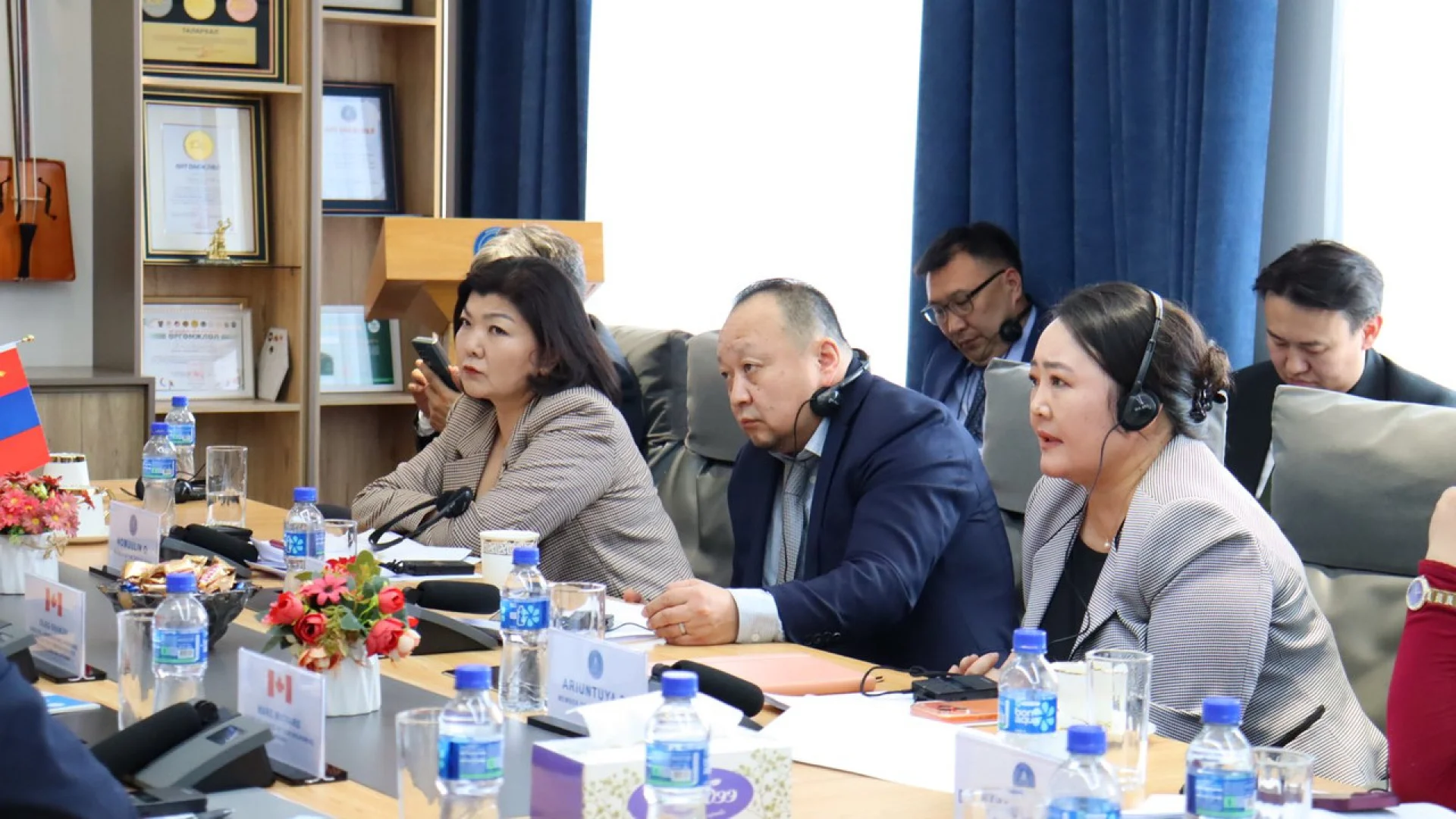
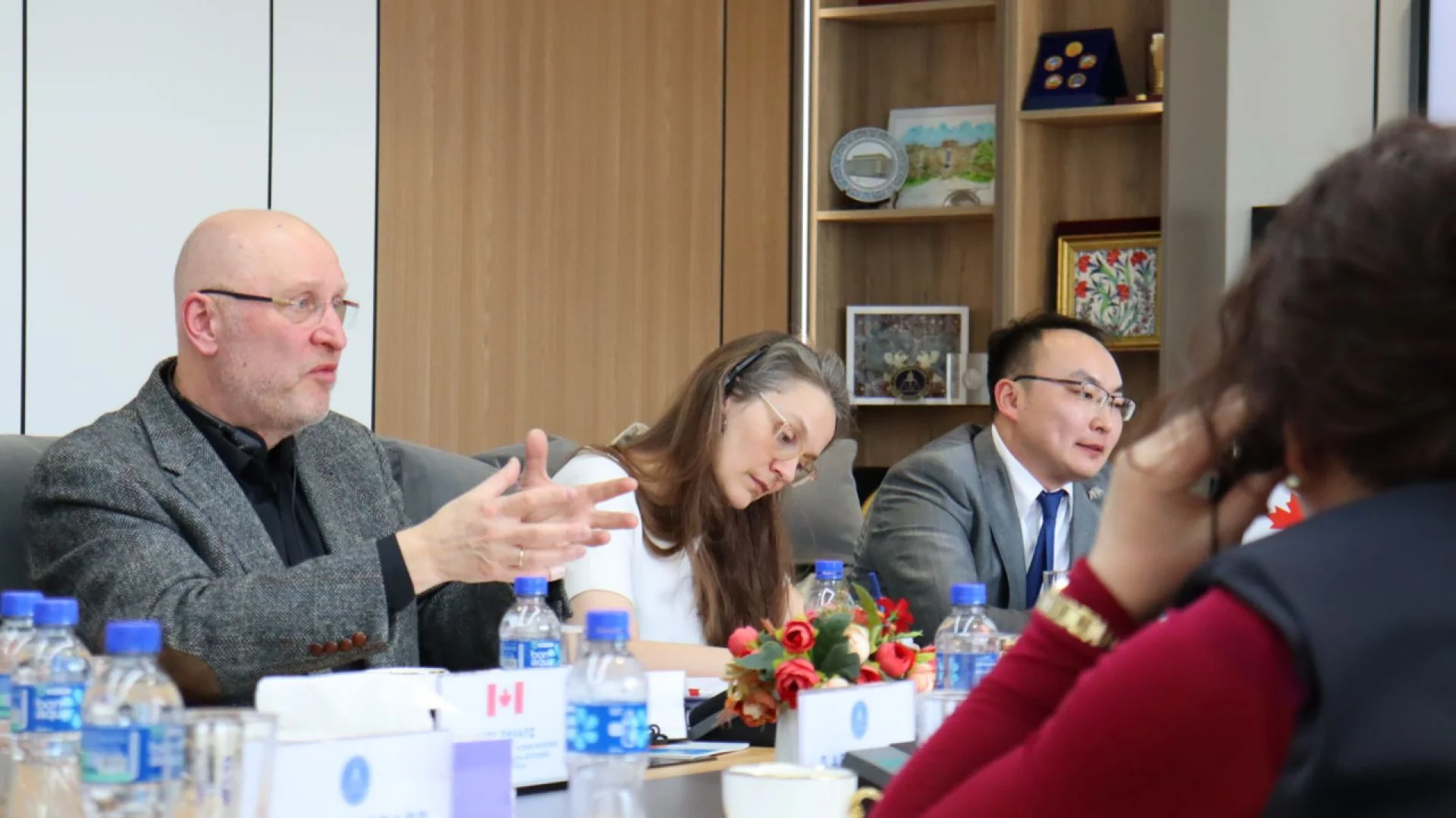
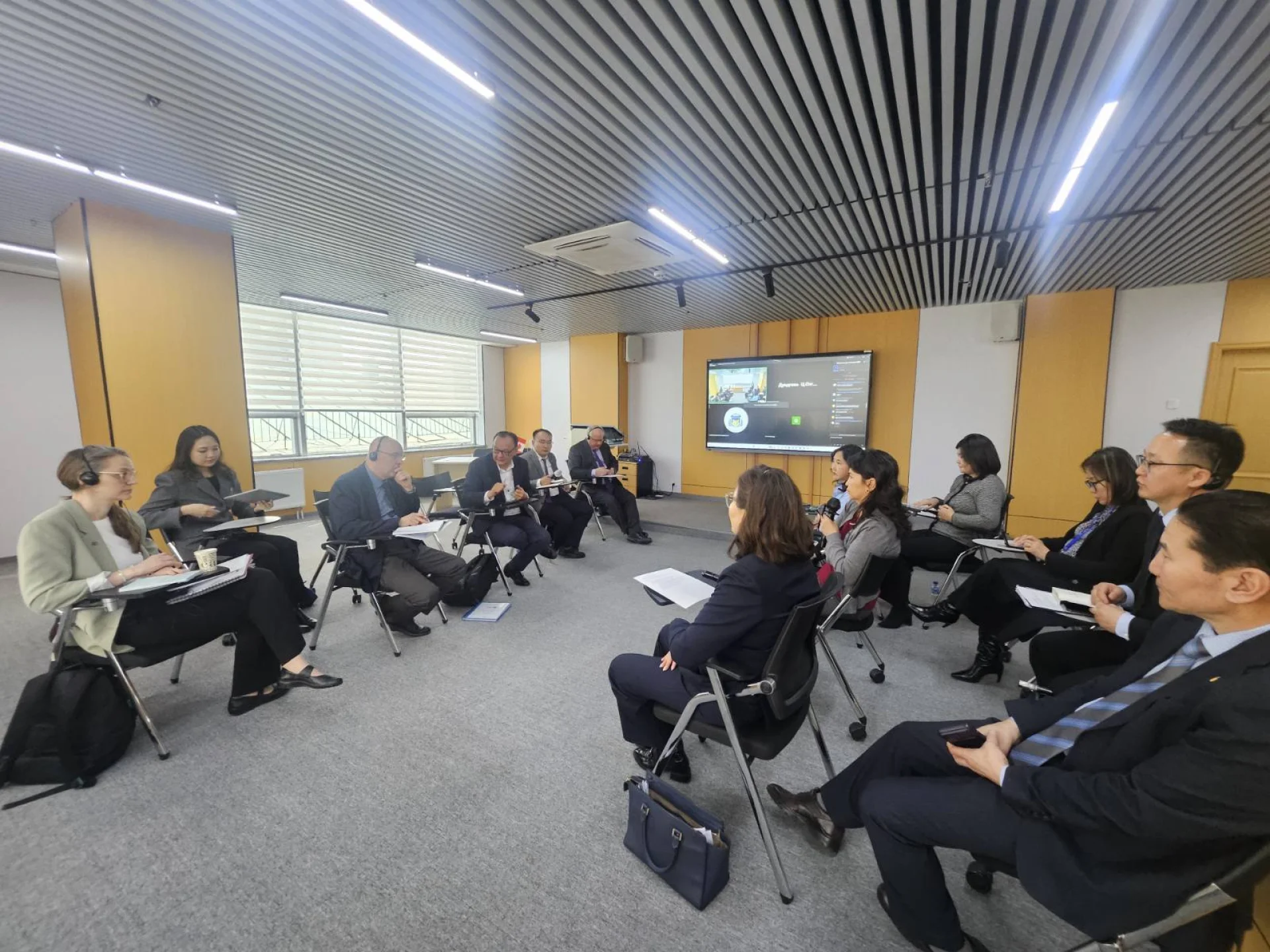
The main purpose of these meetings was to take stock of what had been accomplished during the first year of the project and to work with each partner to shape the priorities for Year 2. This was an important transition point for EJAM. The first year helped establish the relationships, coordination structures, research, training, and early activities needed for the project to move forward. The second year will focus increasingly on practical implementation.
For the public, this kind of planning matters because justice reform is not only about laws and institutions. It is also about whether people can understand how courts work, whether they can access useful information, whether judges and court staff are supported to serve the public well, and whether justice institutions are able to respond clearly and responsibly to public concerns.
Across the meetings, partners discussed how EJAM can support work that is directly connected to public confidence in the justice system. For example, several discussions focused on the need for clearer public communication by judicial institutions, especially so that court decisions, court processes, and the role of judges are easier for people to understand. Other discussions focused on access to justice, including the importance of helping citizens, especially those who may face barriers, better understand their rights and the services available to them.
The meetings also helped ensure that Year 2 activities reflect the priorities of Mongolia’s own justice institutions, while drawing on Canadian experience where it can be useful. This cooperative approach is central to EJAM: the project is not built around one institution or one activity, but around the shared goal of strengthening a justice system that is fair, independent, transparent, and accessible.
As EJAM moves into its second year, continued dialogue with all six partners will remain essential. The April meetings confirmed a shared commitment to practical cooperation and to reforms that can help strengthen public trust in the courts and improve the way people experience justice in Mongolia.