EJAM discusses how stronger courts can support public trust and Mongolia’s development
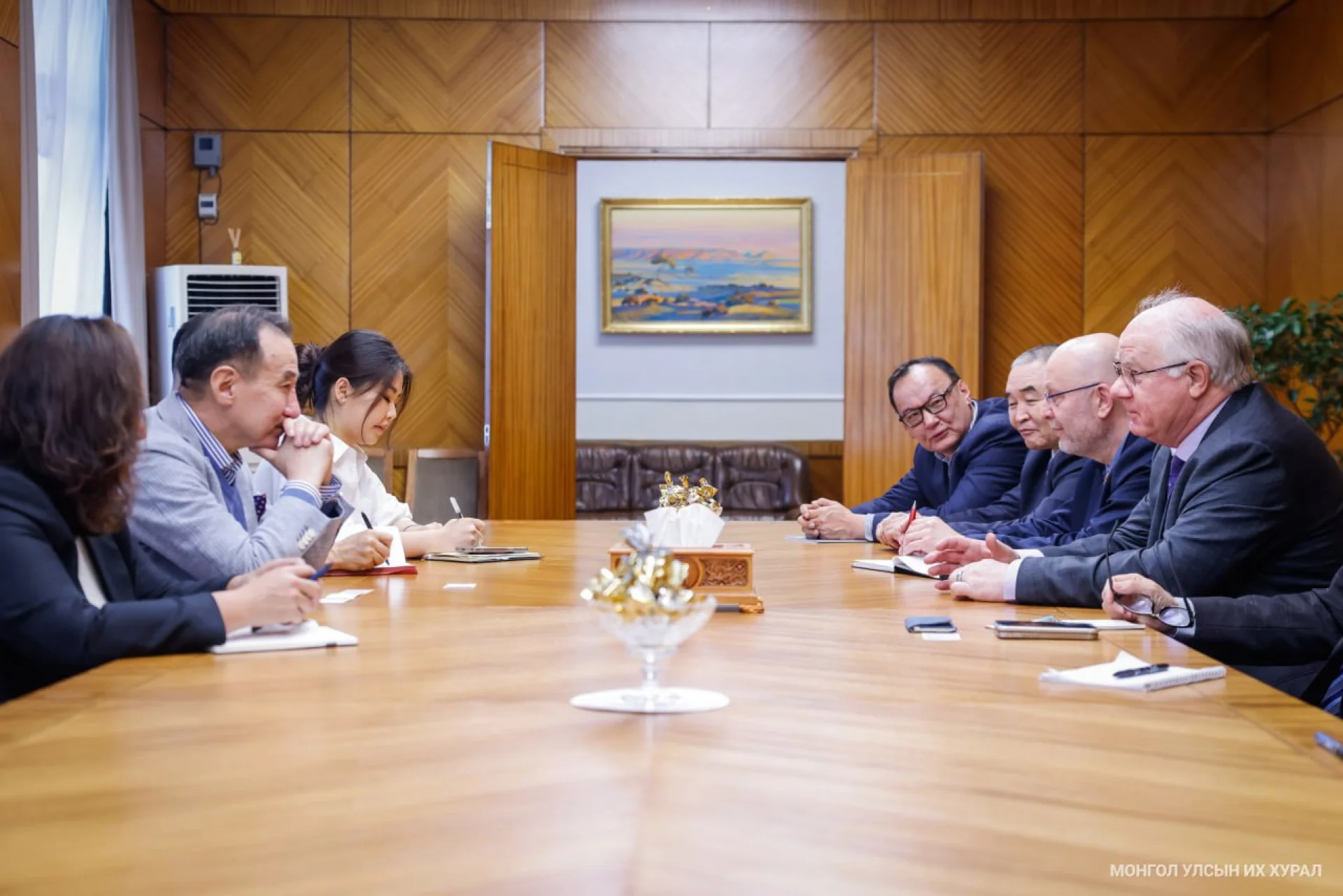
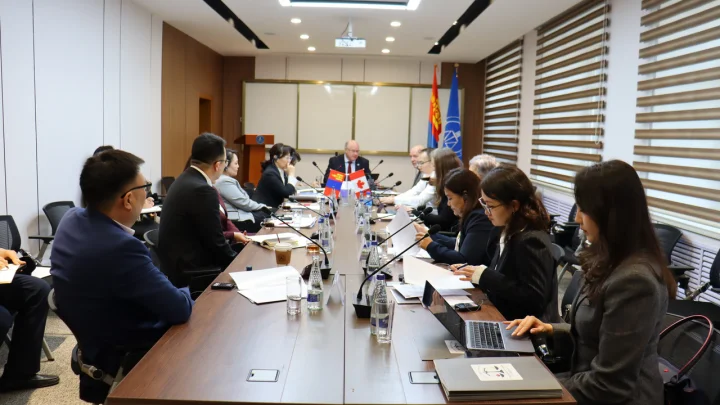
On April 16, 2026, the Canadian delegation of the Equal Justice for All in Mongolia project, together with Canada’s Ambassador to Mongolia, Stephen Doust, met with Member of Parliament D. Tsogtbaatar, Chair of the Legal Standing Committee of the State Great Hural.
The meeting focused on a question that matters to every citizen: how can Mongolia continue building a justice system that is open, trusted, independent, and able to serve people fairly?
MP Tsogtbaatar expressed strong support for EJAM and for continued cooperation between Mongolia and Canada. He reflected on Mongolia’s democratic transition and noted that building strong public institutions is a long-term process. In his view, transparency, ethical conduct, and proper support for the courts are essential to a justice system that people can trust.
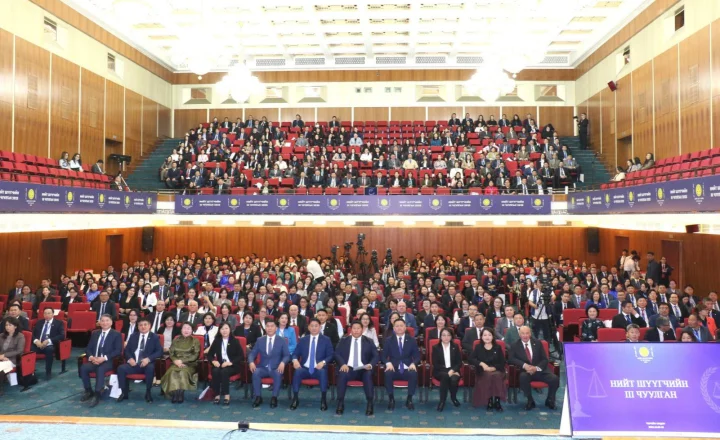
One important theme of the discussion was court transparency. Mongolia has already taken significant steps in this area, including livestreaming Supreme Court hearings, except in cases where privacy or security concerns require limits. This kind of openness can help people better understand how courts work, how decisions are made, and why judicial independence matters. When court processes are more visible and understandable, citizens are better able to see the justice system as a public institution serving society as a whole.
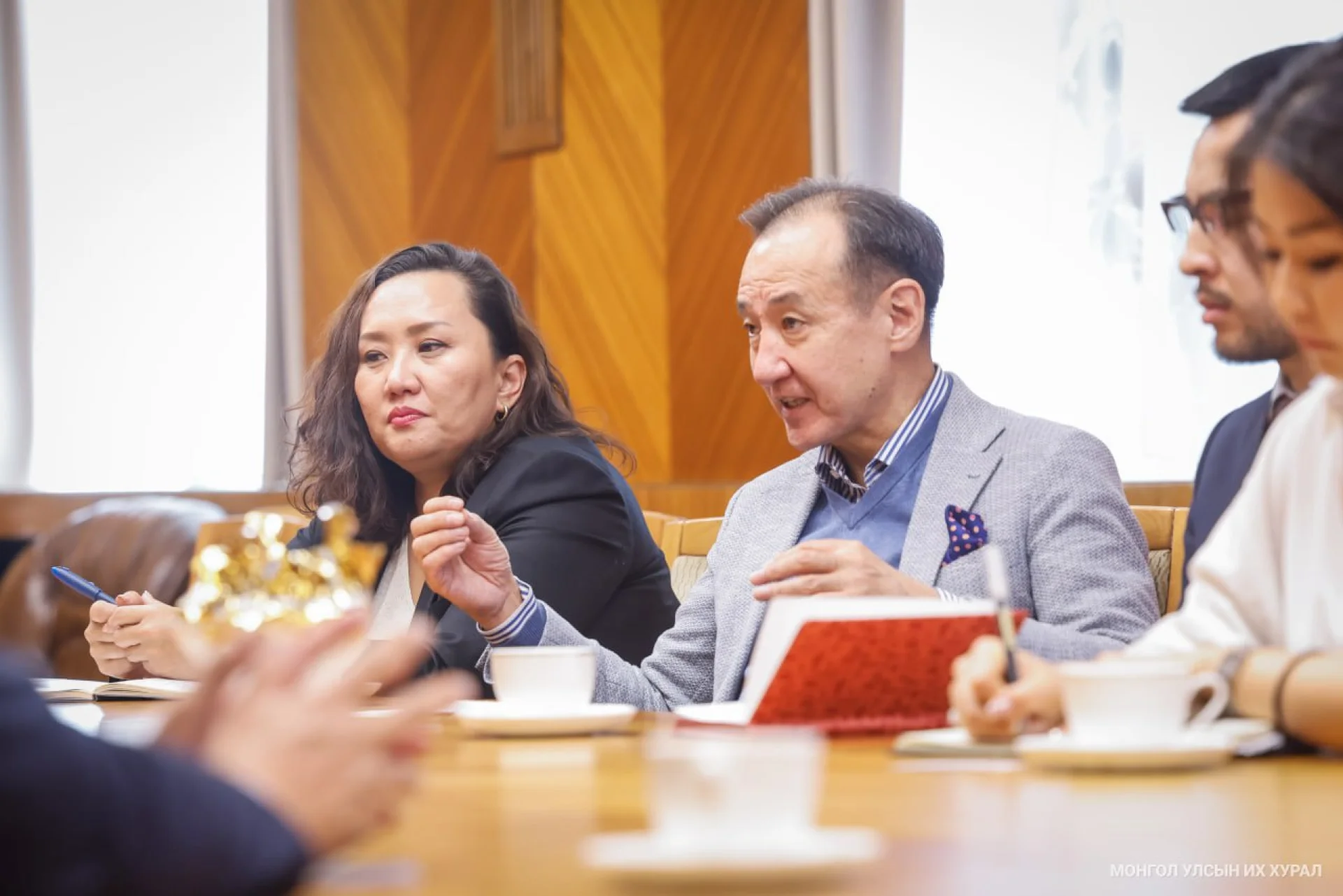
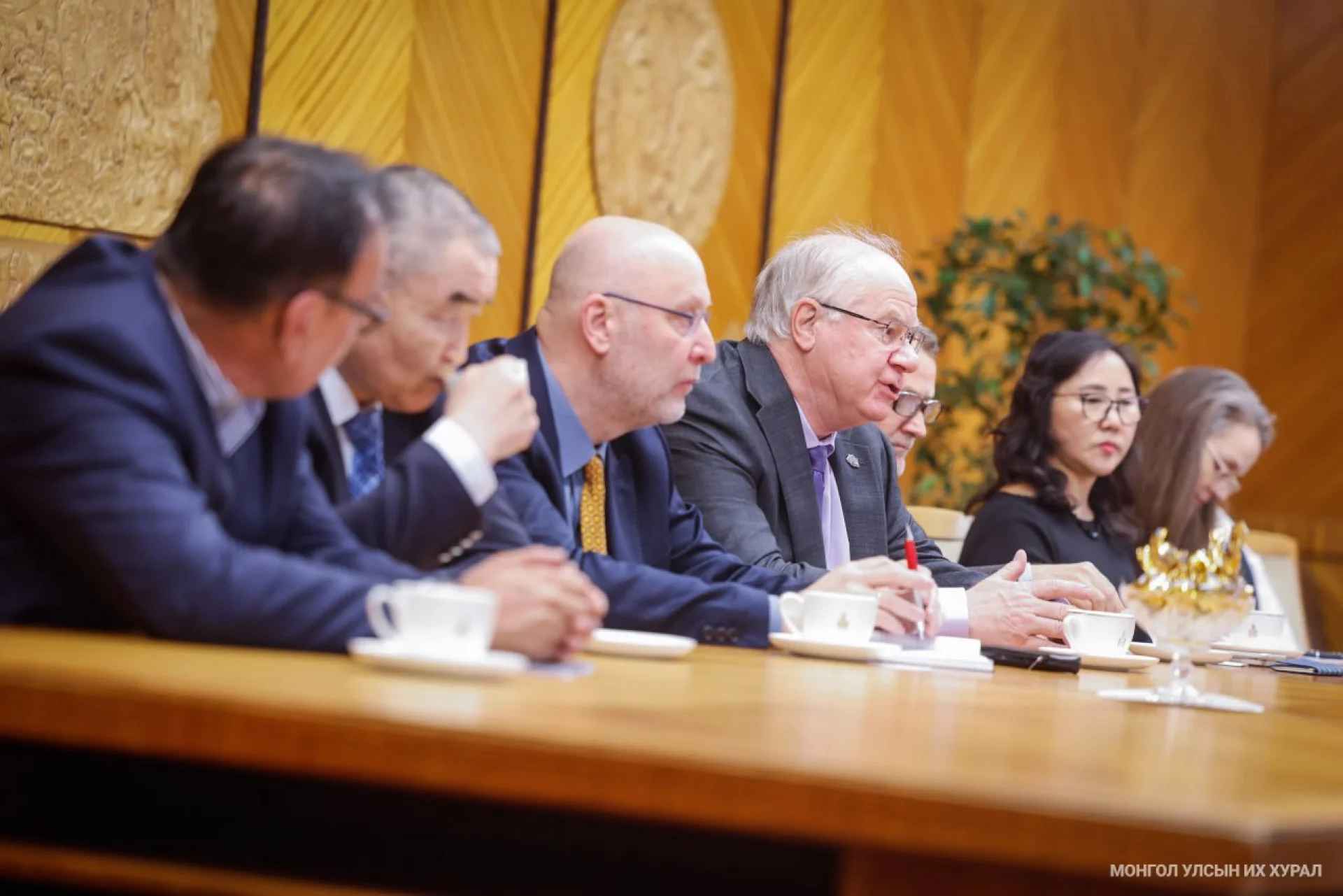
The discussion also touched on the importance of communication between the branches of government. Judicial independence does not mean isolation. Courts, Parliament, and the executive branch each have different responsibilities, but they also need to understand one another’s roles. For example, courts depend on proper resources to function well. If courts are underfunded, cases can take longer, services can suffer, and public confidence can weaken. As MP Tsogtbaatar noted, justice requires real investment.
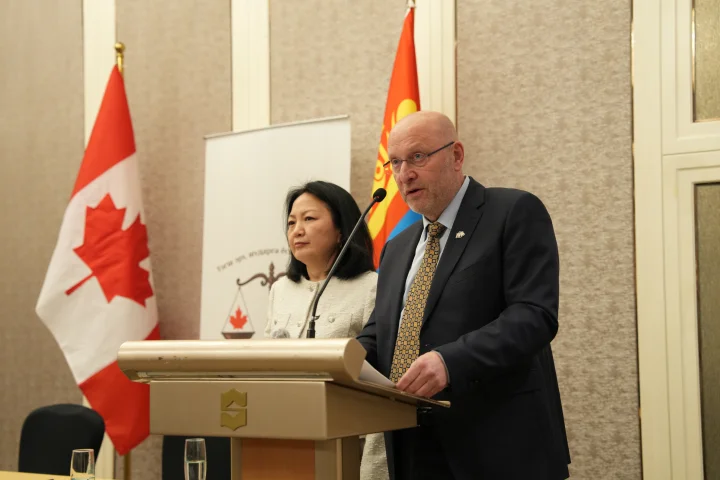
Chief Justice Marc Richard of the Court of Appeal of New Brunswick spoke about Canada’s cooperation with Mongolia since 2022, including earlier work on judicial ethics and the establishment of Mongolia’s Ethics Advisory Committee. He noted that EJAM builds on those first results and now supports broader cooperation on public confidence, judicial education, access to justice, and dialogue among institutions.
Oleg Shakov, Director of International Programs at the Office of the Commissioner for Federal Judicial Affairs Canada, explained that EJAM works with six Mongolian partner institutions and seeks to strengthen dialogue first among judicial institutions themselves, and then more broadly among the three branches of government. This dialogue is important because public trust in justice cannot be built by courts alone. It also depends on respectful communication, responsible public debate, and a shared understanding of the role of an independent judiciary in a democratic society.
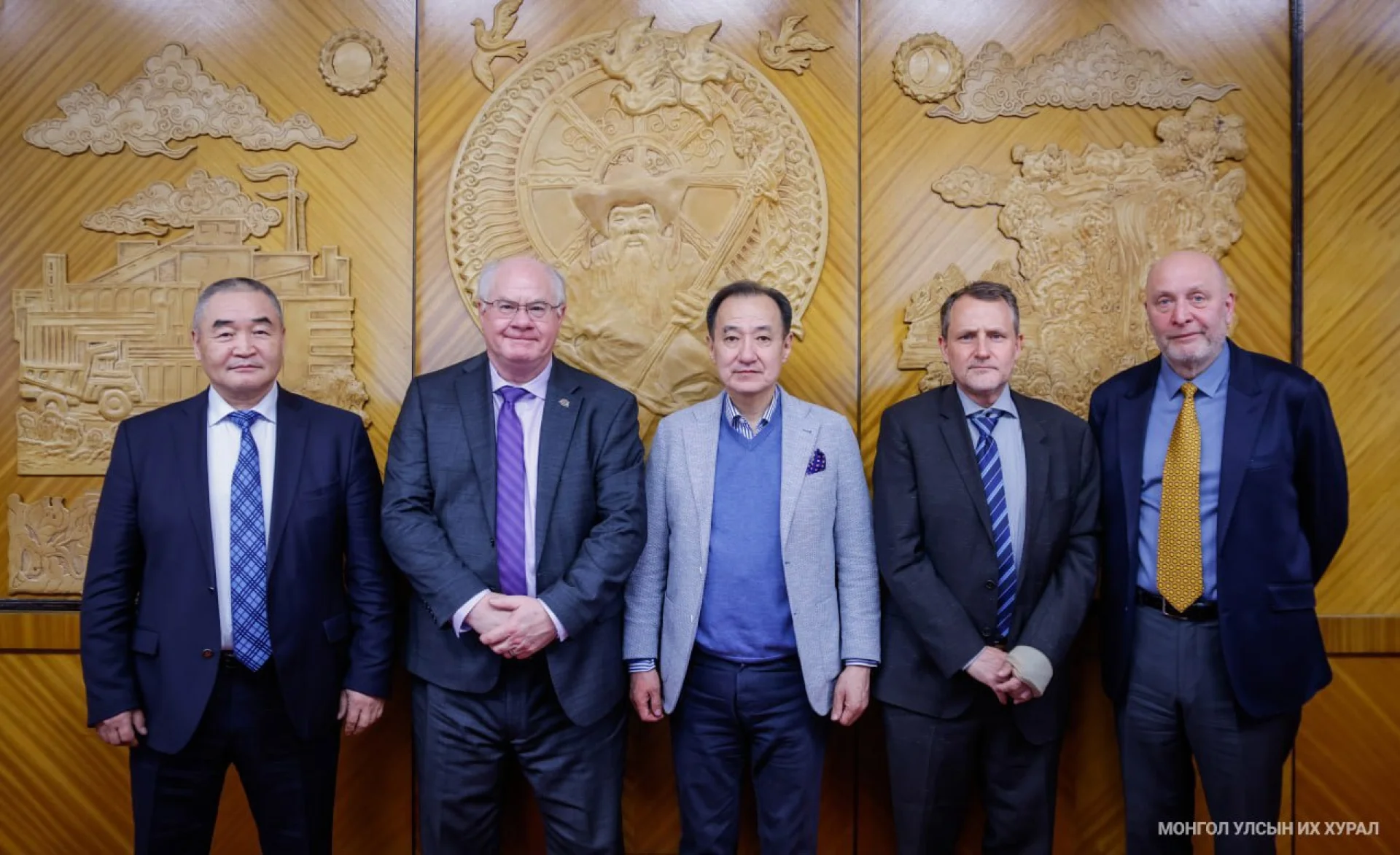
The meeting also highlighted the wider value of a fair and trusted justice system. Strong courts protect rights, support accountability, and create a more predictable environment for citizens, businesses, and investors. In this sense, judicial reform is not only a legal issue. It is also connected to Mongolia’s broader goals of democratic development, good governance, and economic confidence.
EJAM will continue to share Canadian experience where useful, while supporting Mongolian-led priorities and practical cooperation among institutions. The meeting with MP Tsogtbaatar confirmed the importance of keeping judicial reform connected to people’s everyday concerns: fairness, transparency, accountability, and confidence that the law applies equally to all.