Strengthening the Mongolian Judges Association: CSCJA Delegation Visits Mongolia
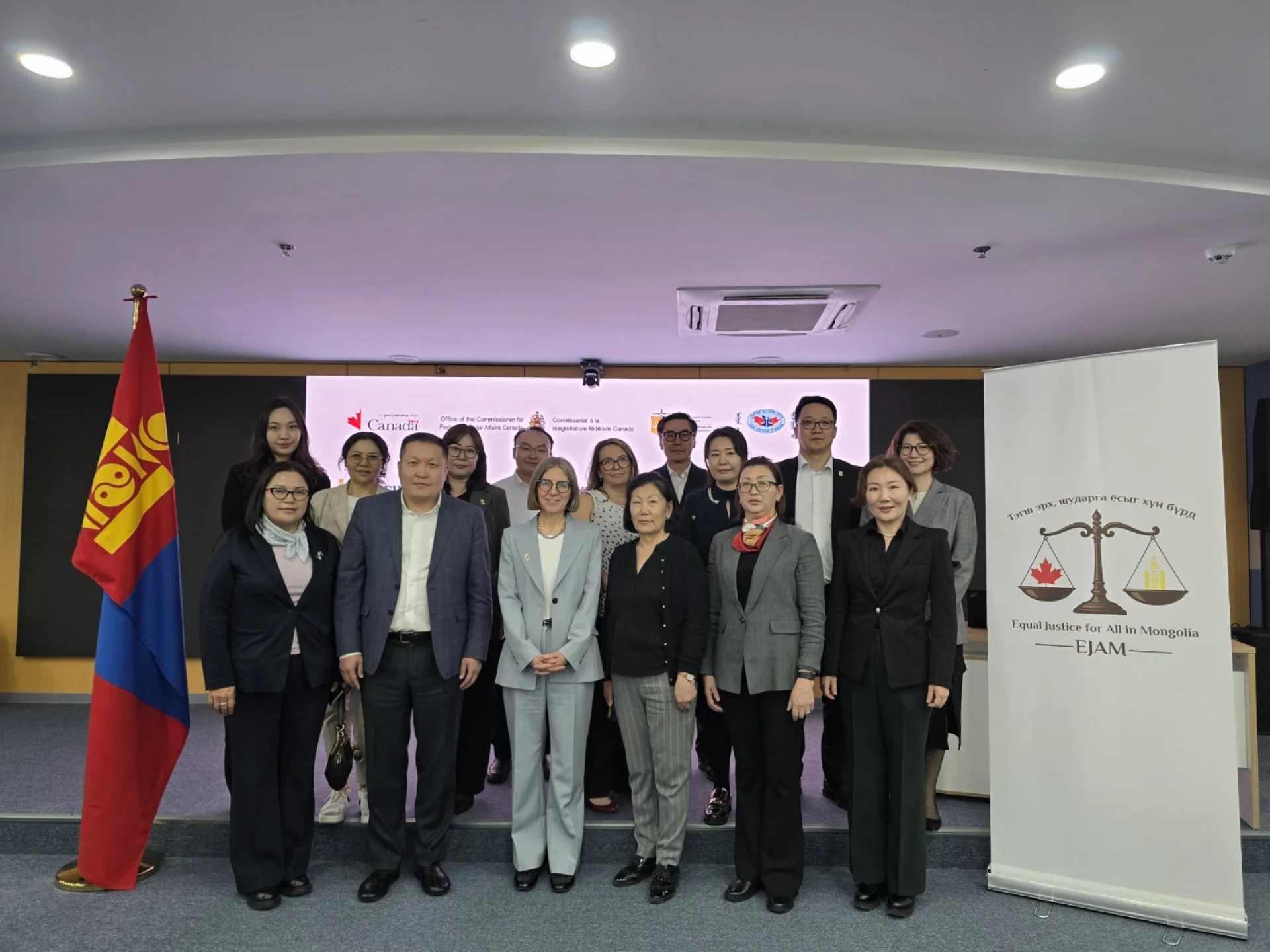
There are professions where the work itself cannot easily be shared outside the office. Being a judge is one of them. The cases, the difficult decisions, the weight of responsibility must stay within strict boundaries of confidentiality. In many ways, judges carry the weight of their work in silence. That is part of what makes a strong judges' association so important. It cannot change the confidential nature of the profession, but it can provide judges with a professional community of peers who understand the work from the inside, who face the same pressures, and who can support one another in ways that no one outside the profession can. Strengthening that community in Mongolia is one of the practical goals of the EJAM project. This May, a delegation from the Canadian Superior Courts Judges Association (CSCJA) visited Ulaanbaatar to work toward exactly that. The benefits extend beyond the judiciary itself. When judges are well supported and professionally connected, the quality and consistency of justice improves for everyone who depends on it.
The delegation comprised Justice Katherine O'Brien of the Court of Appeal of Newfoundland and Labrador and Ms. Stephanie Lockhart, Executive Director of the CSCJA, supported by the EJAM project team. The visit took place from May 5 to 13, 2026, and focused on identifying strengths, gaps, and opportunities to support the institutional strengthening of the Mongolian Judges Association (MJA), with a view to defining practical areas for future cooperation.
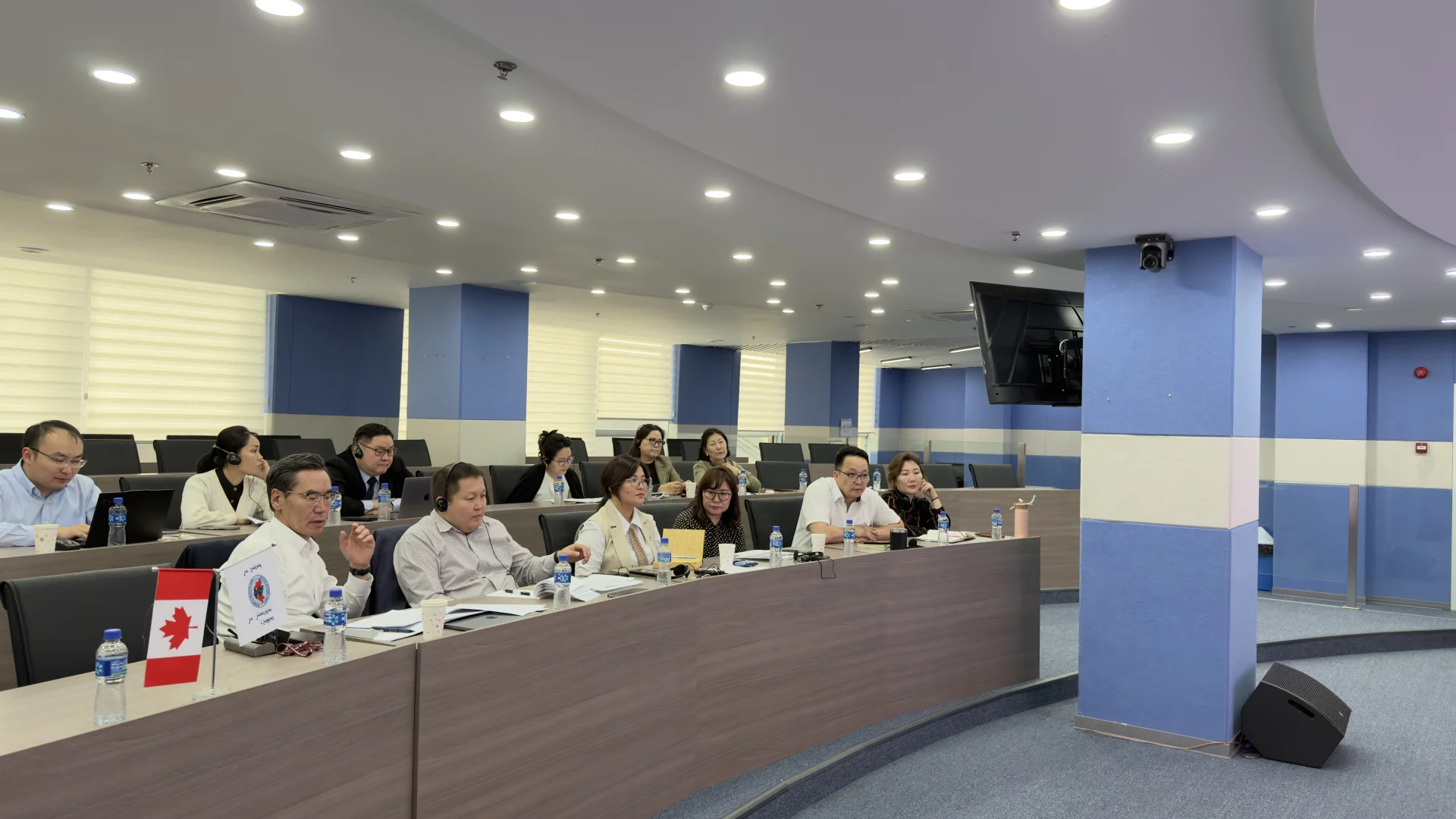
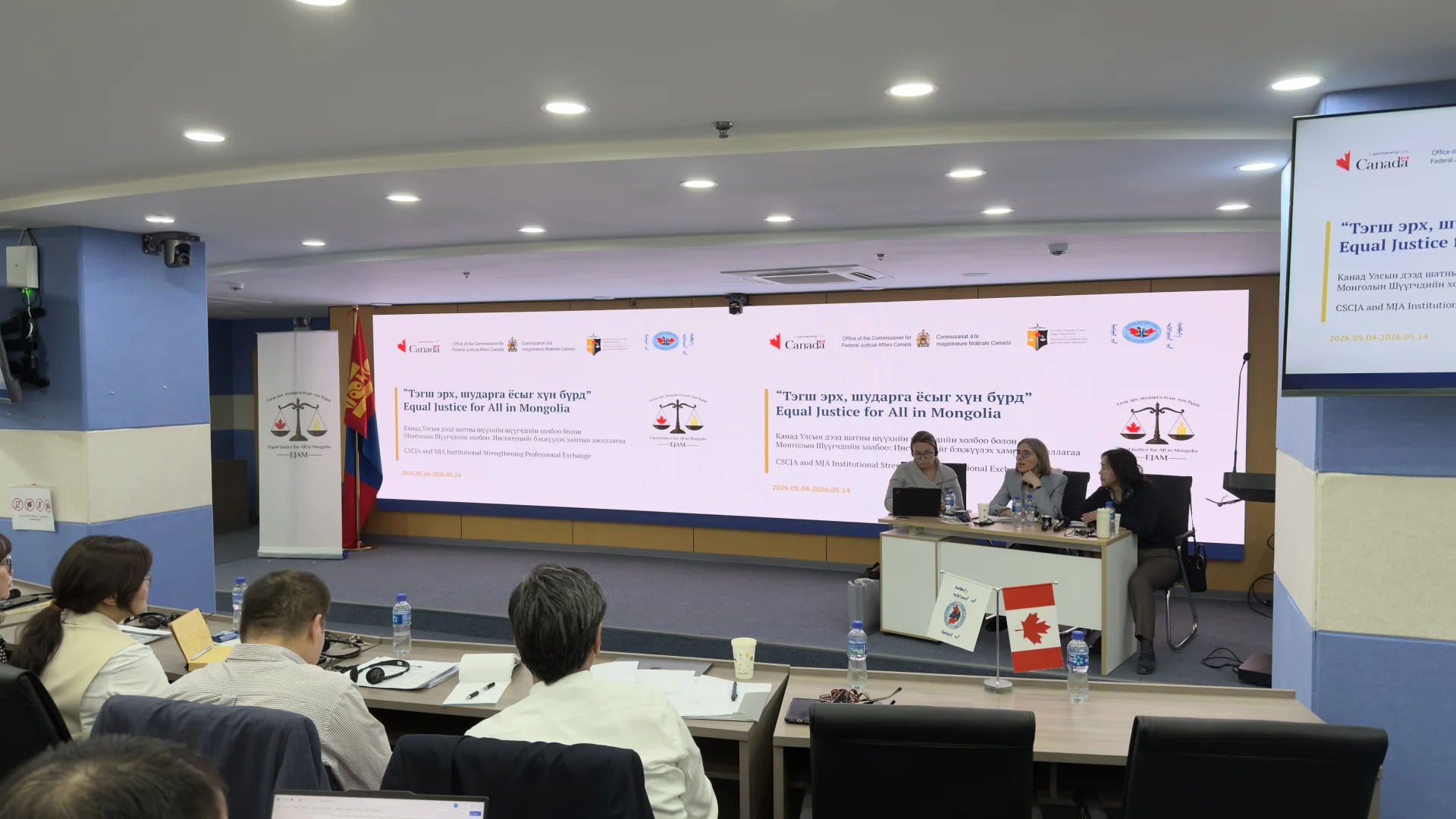
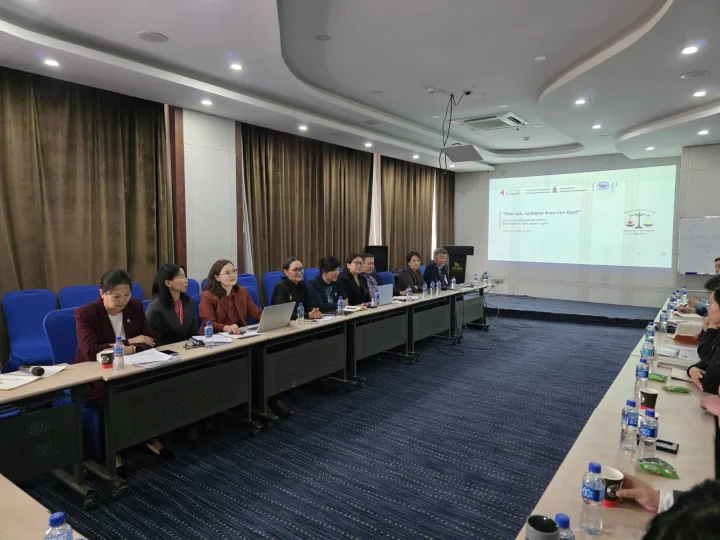
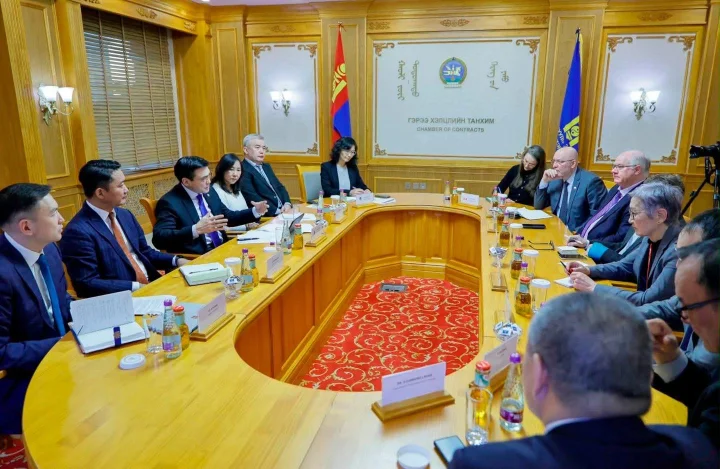
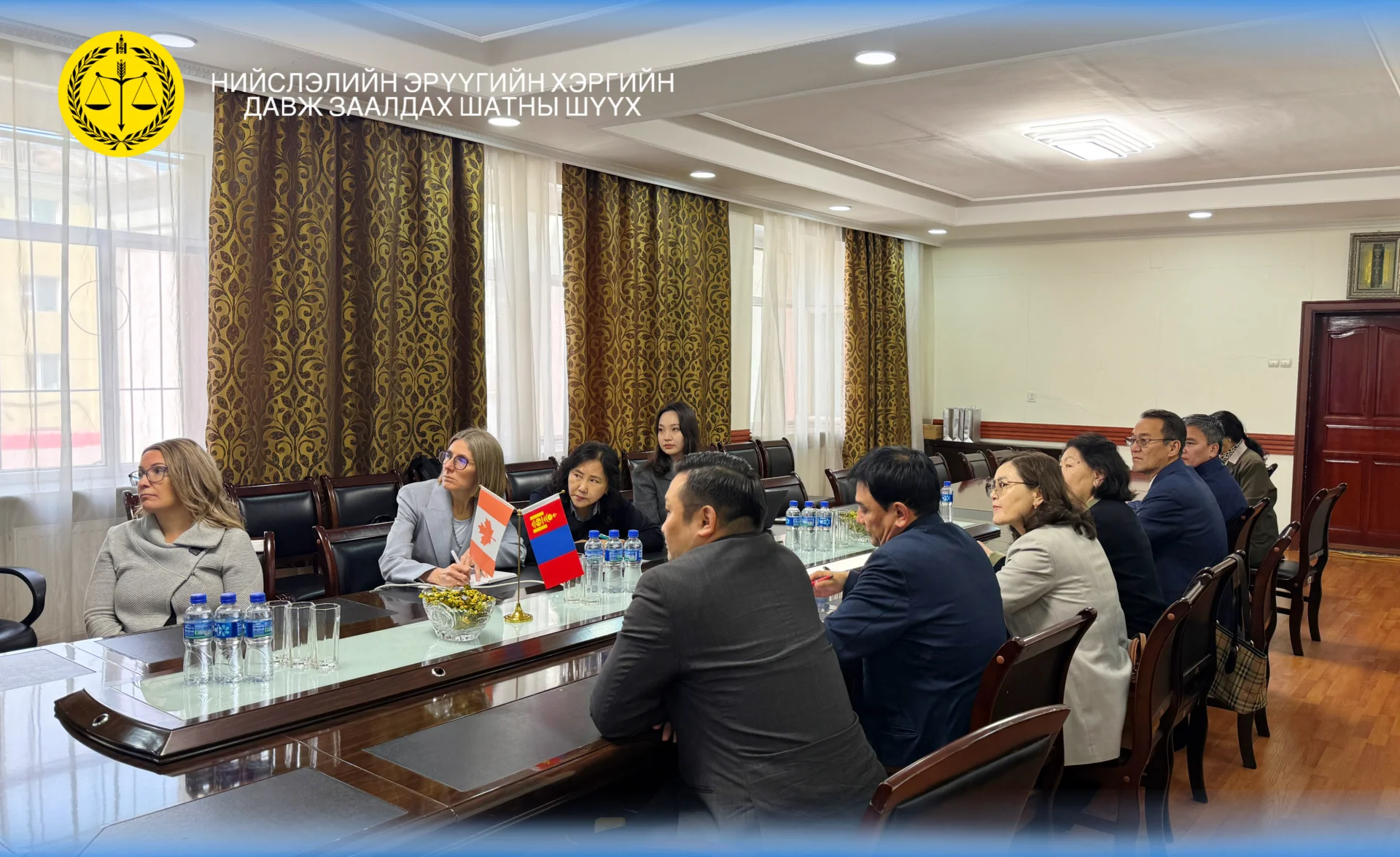
The visit opened with an official meeting with MJA representatives, where the Association presented its mandate, structure, current priorities, and key institutional challenges, including its ongoing work on communications and member engagement. This was followed by deeper diagnostic discussions on the MJA's governance arrangements, internal coordination, and the practical challenges it faces in serving its members effectively.
The delegation also visited two courts to observe the work of Mongolia's judiciary firsthand, visiting the First Instance Court for Civil Cases of Bayanzurkh, Sukhbaatar, and Chingeltei District, and the Appellate Court for Criminal Cases of the Capital City. These visits gave the Canadian delegation a direct understanding of the environment in which Mongolian judges work day to day. An informal roundtable brought together judges from different court levels to speak openly about professional challenges, the MJA's current role, communication gaps, and areas where stronger association support would be most useful. The CSCJA delegation shared how similar challenges are approached within the Canadian context, offering a peer perspective grounded in practical experience.
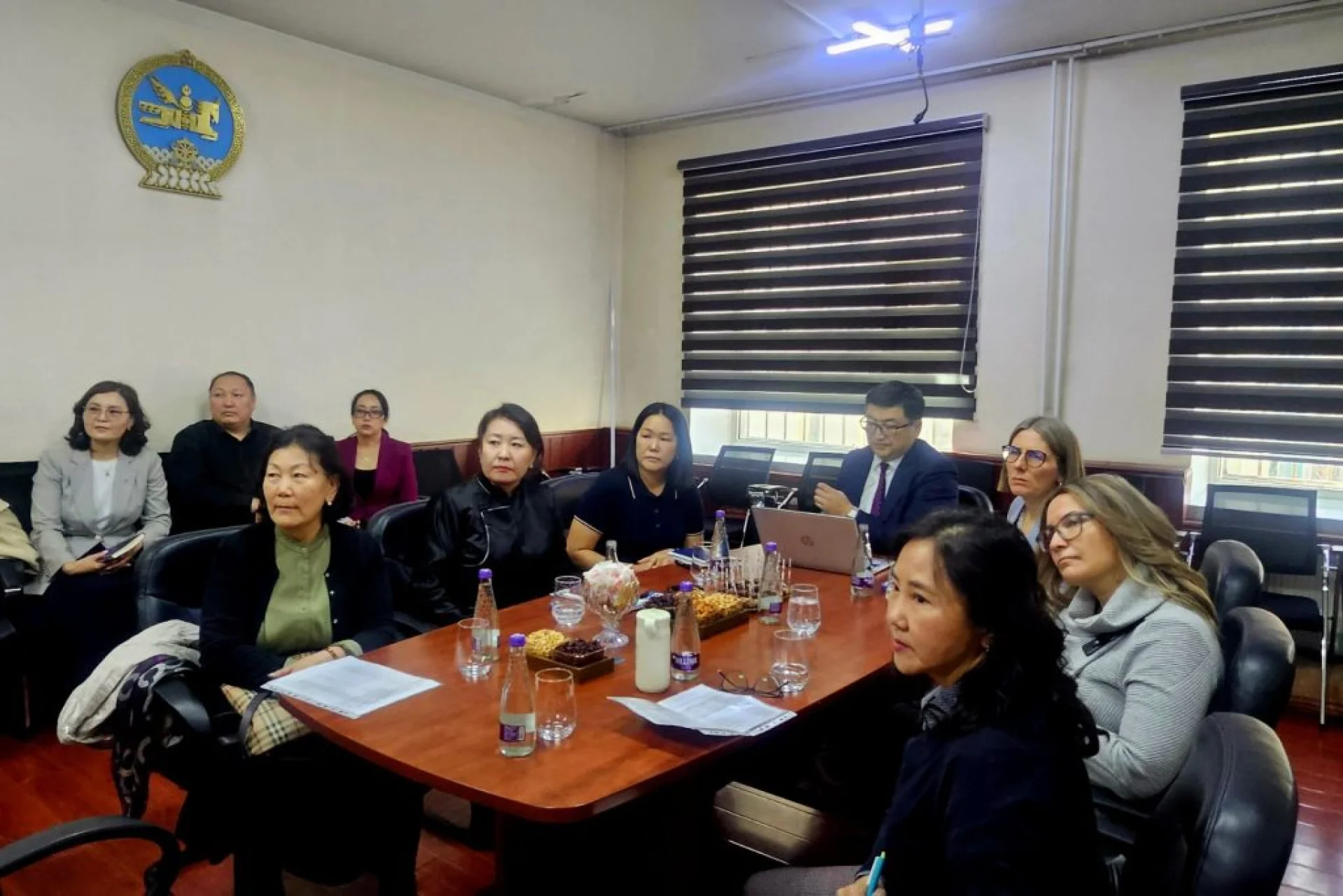
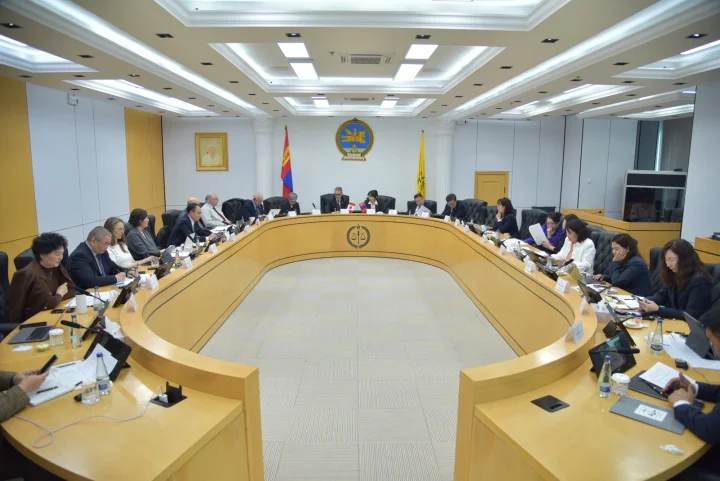
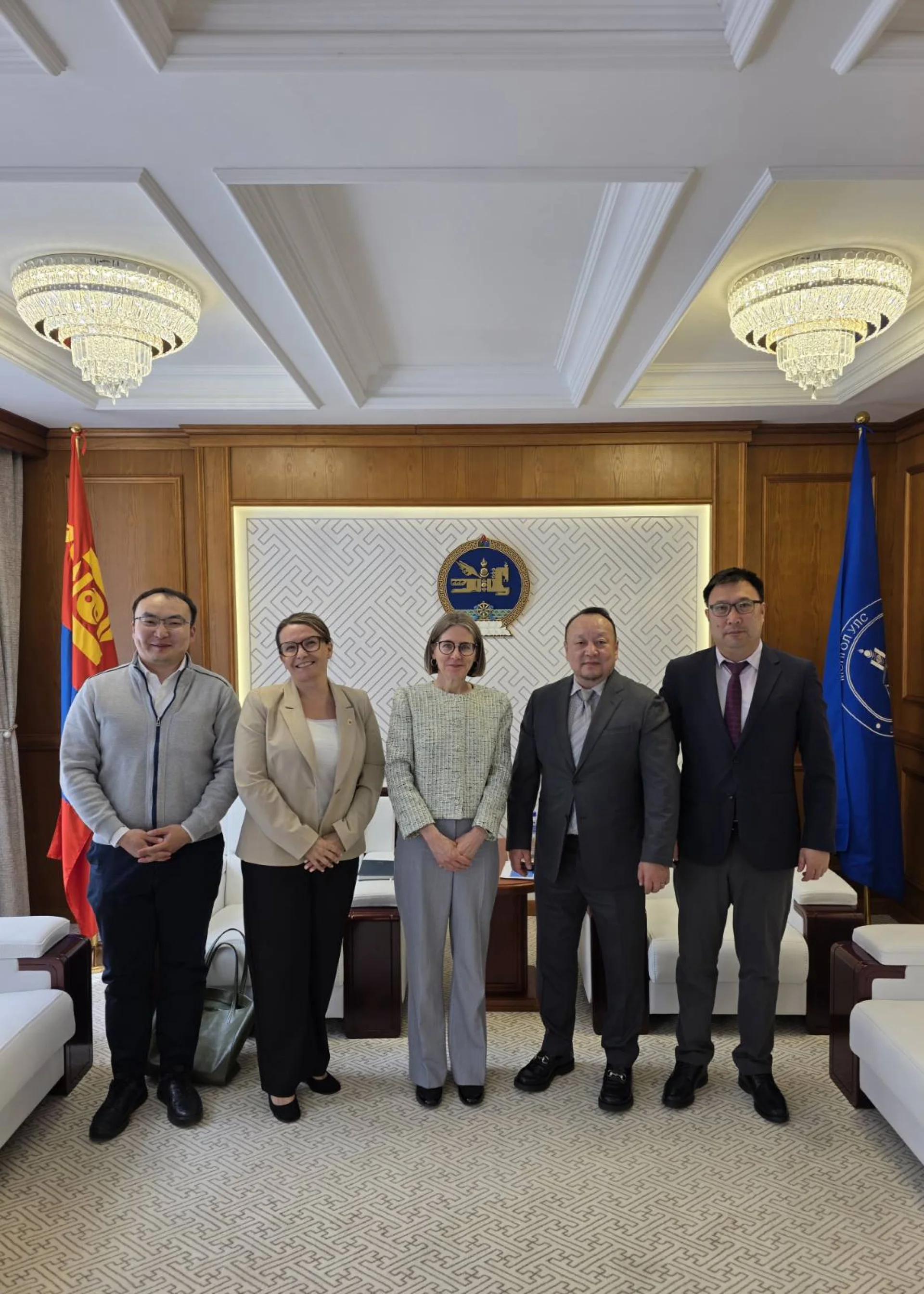
The delegation also met with Judicial General Council members and representatives, as well as Mr. Enkhtur, Chair of the Judicial Disciplinary Committee, and Mr. Munkhzorig, Chief of Staff. These conversations gave the delegation a broader picture of the institutional framework within which the MJA operates.
Substantive working sessions led by the Canadian delegation addressed the governance and functioning of a judges' association, covering mandate, internal structure, continuity, committee organization, and leadership transition, followed by practical discussions on which governance elements may be most relevant and adaptable to the MJA's context. Further sessions focused on member engagement and association communications, including outreach to active and retired judges, website use, and ways to strengthen the MJA's visibility and service to its members. The delegation also met with Ms. Erdenechimeg, the Director of the Judicial Academy, and its representatives to exchange views on judicial training systems and ongoing work related to judicial well-being, and to discuss the MJA’s specific communication and outreach needs.
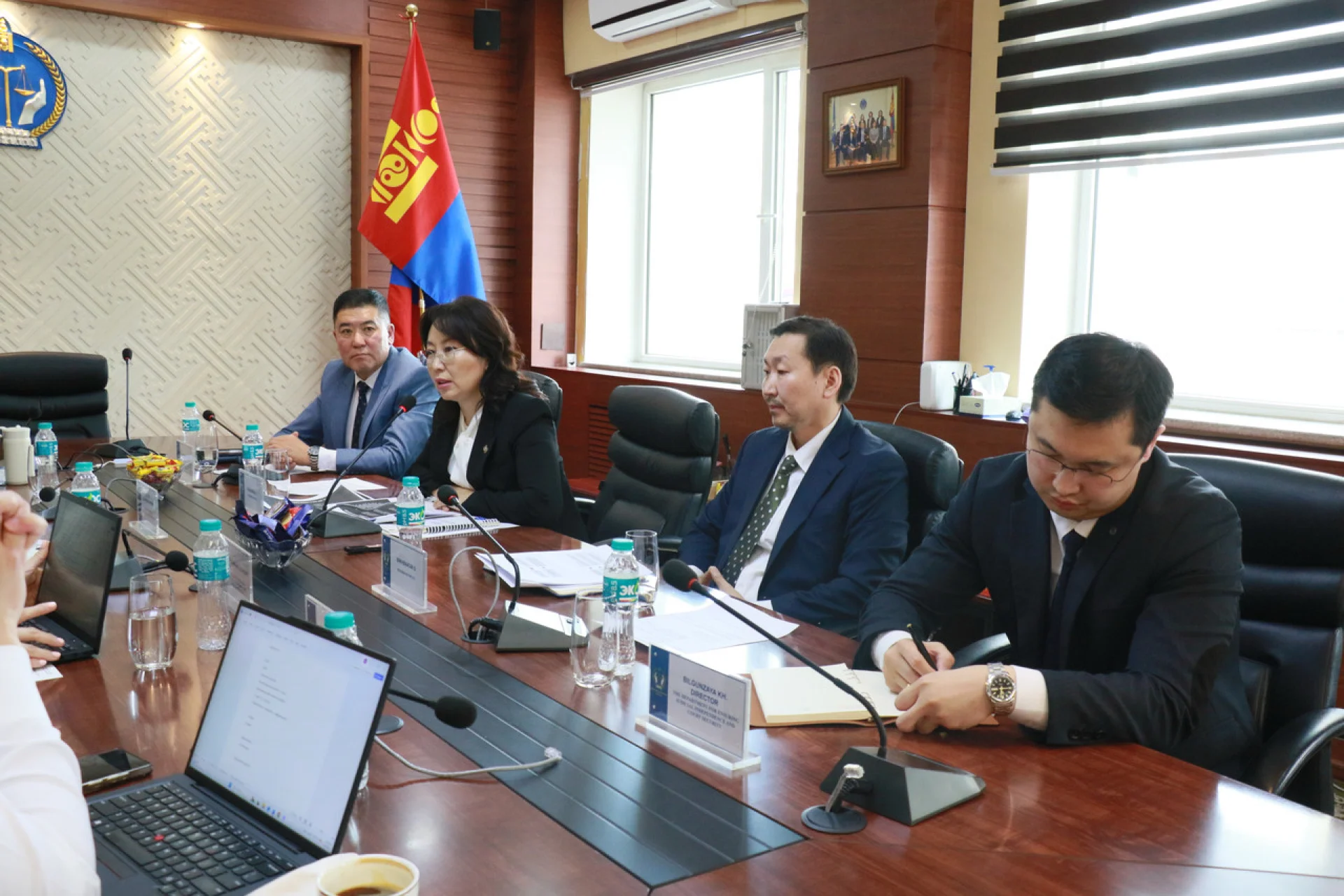
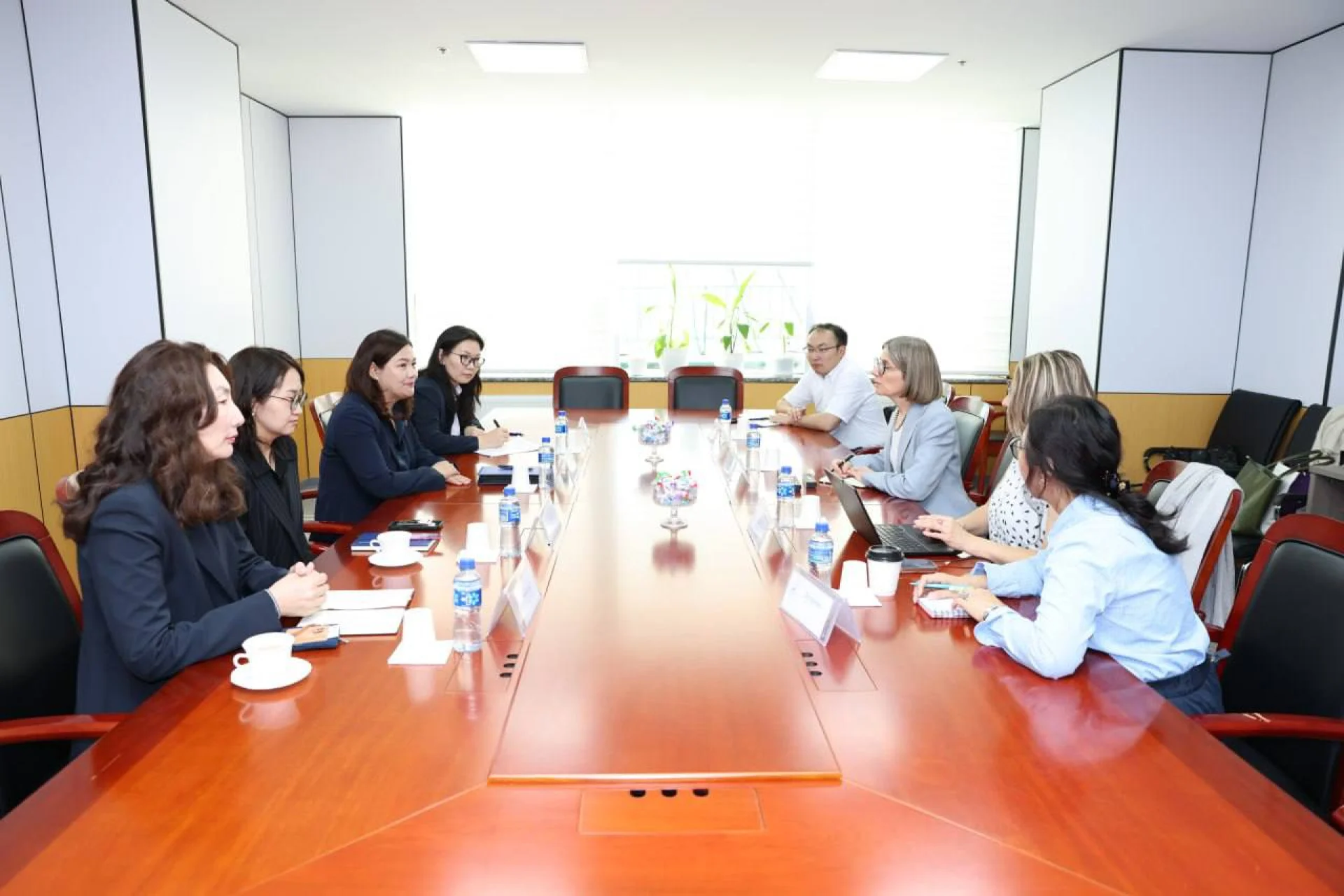
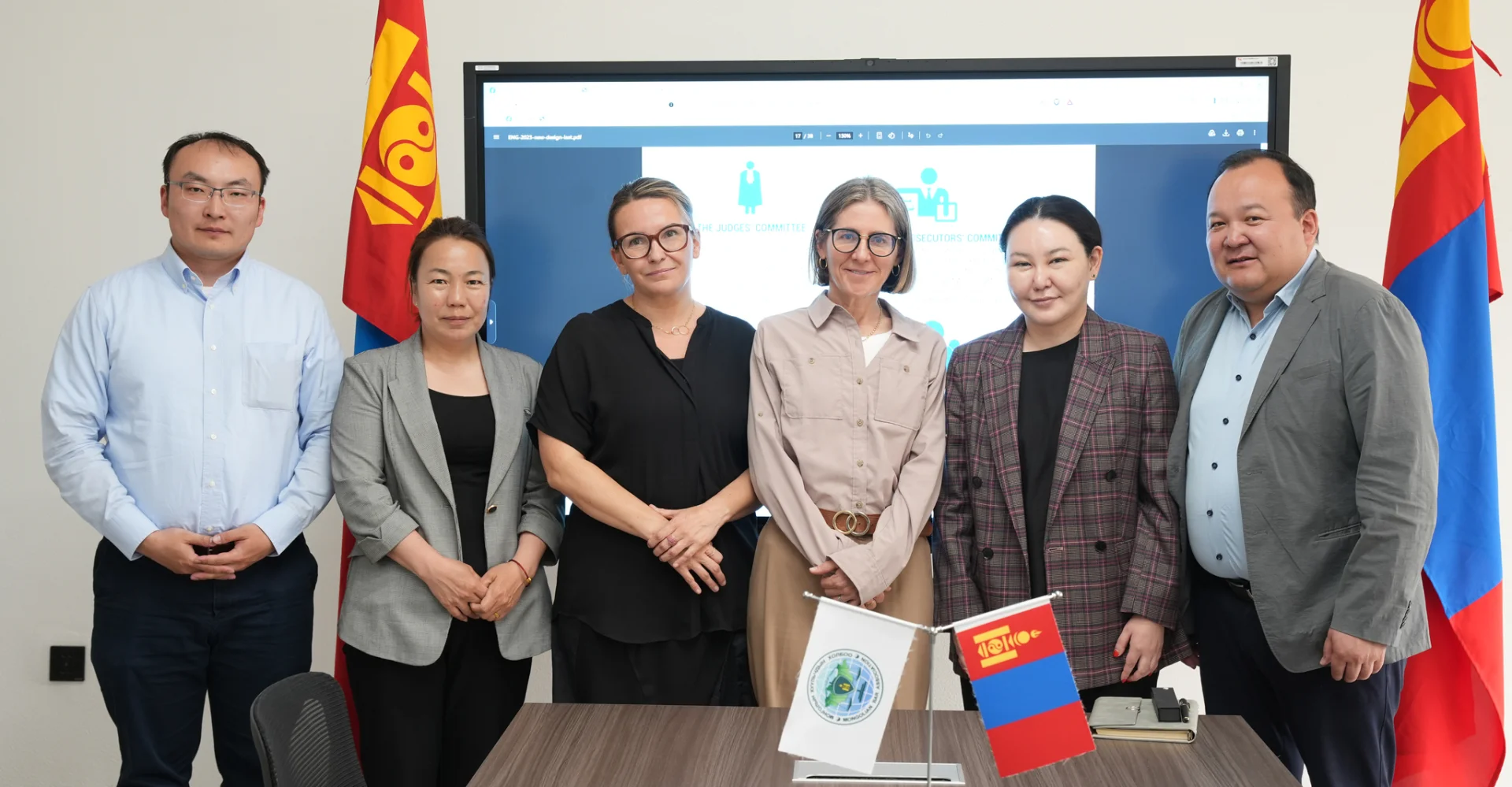
The visit concluded with a closing debrief with MJA representatives and the CSCJA delegation to review the main themes arising from the week, validate shared observations, and draft a workplan outlining practical areas of cooperation for the years ahead. The workplan covers the following areas: governance and organizational structure, including updating MJA policy documents and establishing an implementation committee; digital transition and information sharing among members; and a study visit to Canada planned for 2027.
Following the visit, the CSCJA will continue to provide capacity building support to the MJA on governance and internal operations for the remainder of the EJAM project period, translating the observations and discussions from this mission into practical, sustained cooperation. The partnership between the CSCJA and the MJA reflects a shared understanding that a well-functioning judges' association is not a bureaucratic formality. It is a practical resource for judges, and ultimately for the citizens who rely on those judges to deliver fair and impartial justice.